


From its earliest inhabitants to the community we know today, Captiva has a rich and colorful history. Explore the people, places and defining moments that shaped the island across generations.
Timeline
Captiva Through the Years
Explore the Story of Our Island
2000-3000 BC
Sand Bar Forms
200 AD
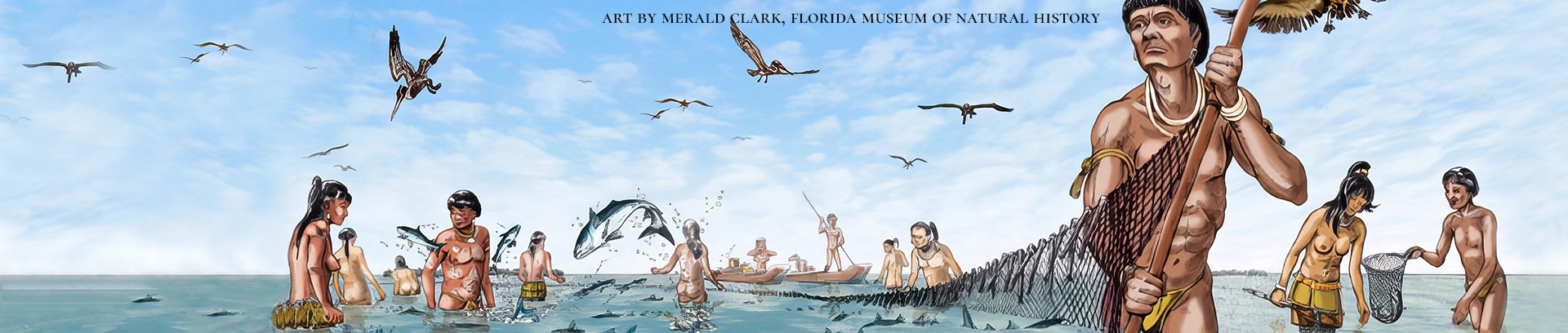
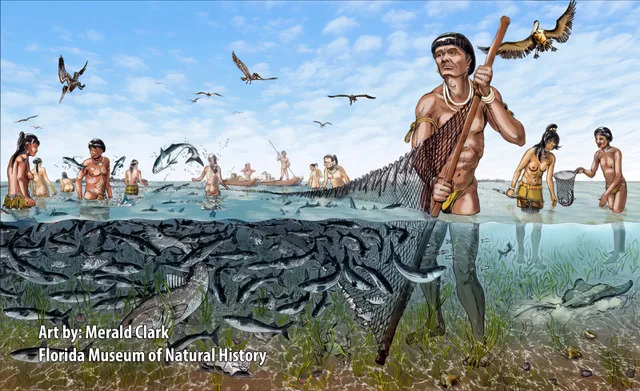
Native American Presence - The Calusa
1500s
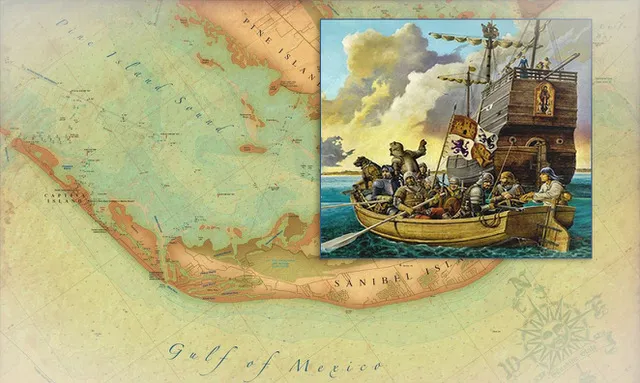
Juan Ponce de León and other Spanish explorers navigate the waters of present-day Charlotte Harbor and Pine Island Sound.
1600s–1800s
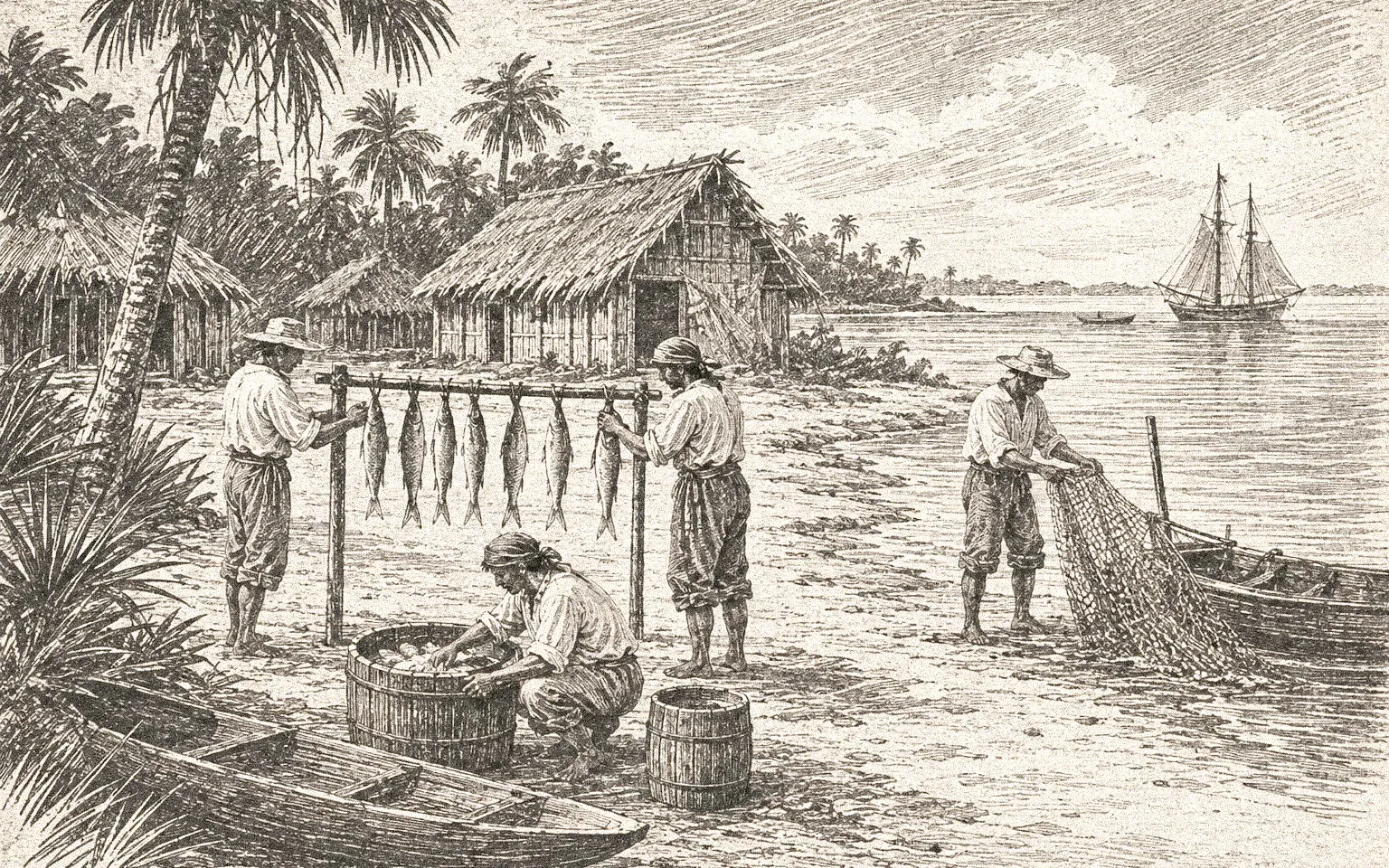
Cuban fishermen establish seasonal fishing camps, known as ranchos, throughout Pine Island Sound.
1821–1822
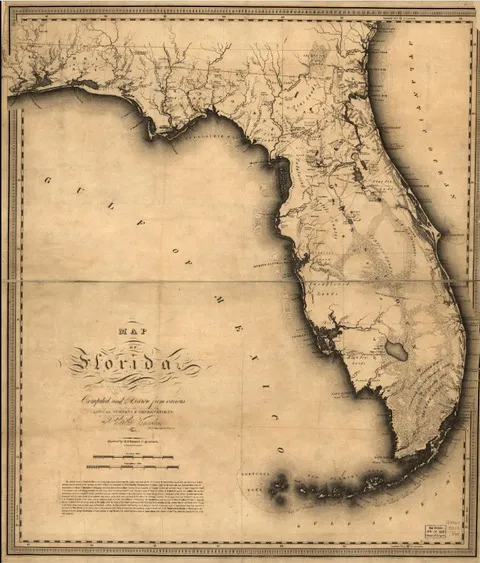
Florida passes from Spanish to United States control, and Key West is established as a U.S. settlement.
1873
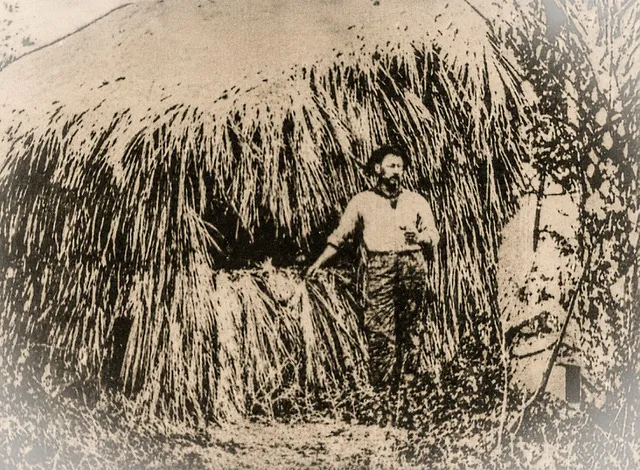
Austrian-born seaman William Binder is shipwrecked during a major hurricane that struck the Charlotte Harbor area in October 1873 and survives by reaching Captiva Island.
1888
William Binder returns to Captiva and becomes the island’s first documented homesteader and permanent resident, securing a 169 acres homestead grant in 1896.
Early 1900s
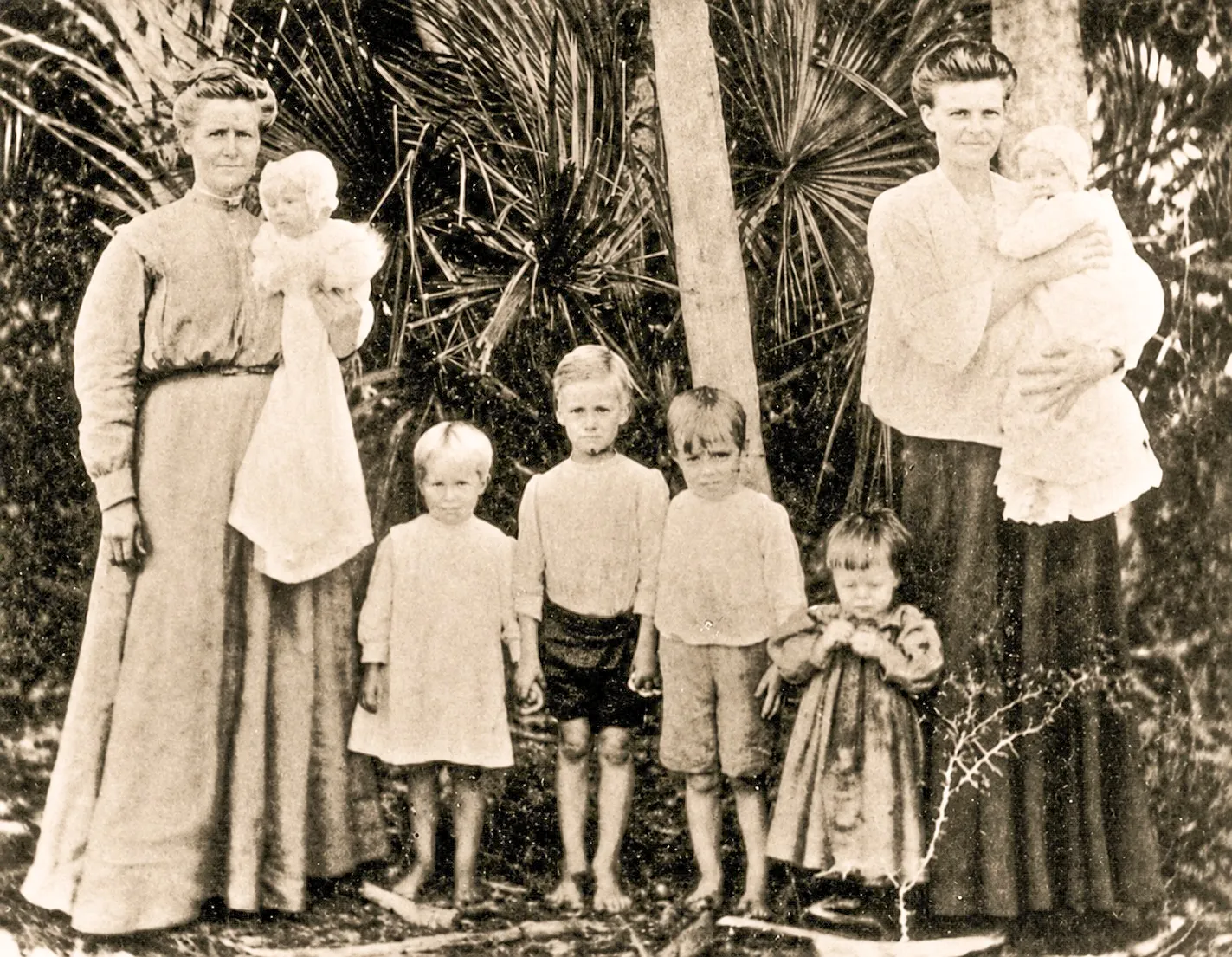
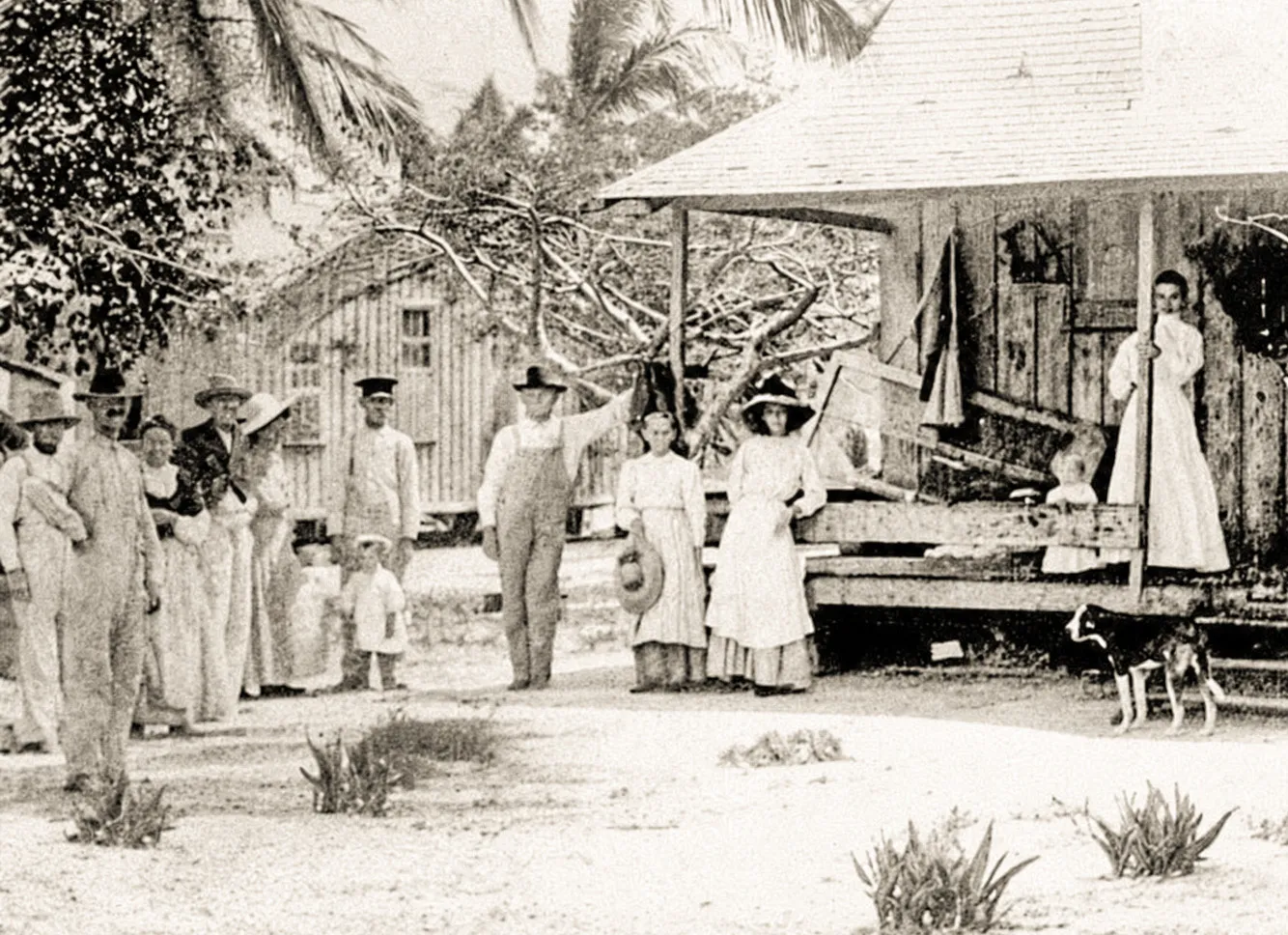
Originally from Canada, the Brainerd family moves from Buck Key, their home of 5 years, to Captiva.
1901
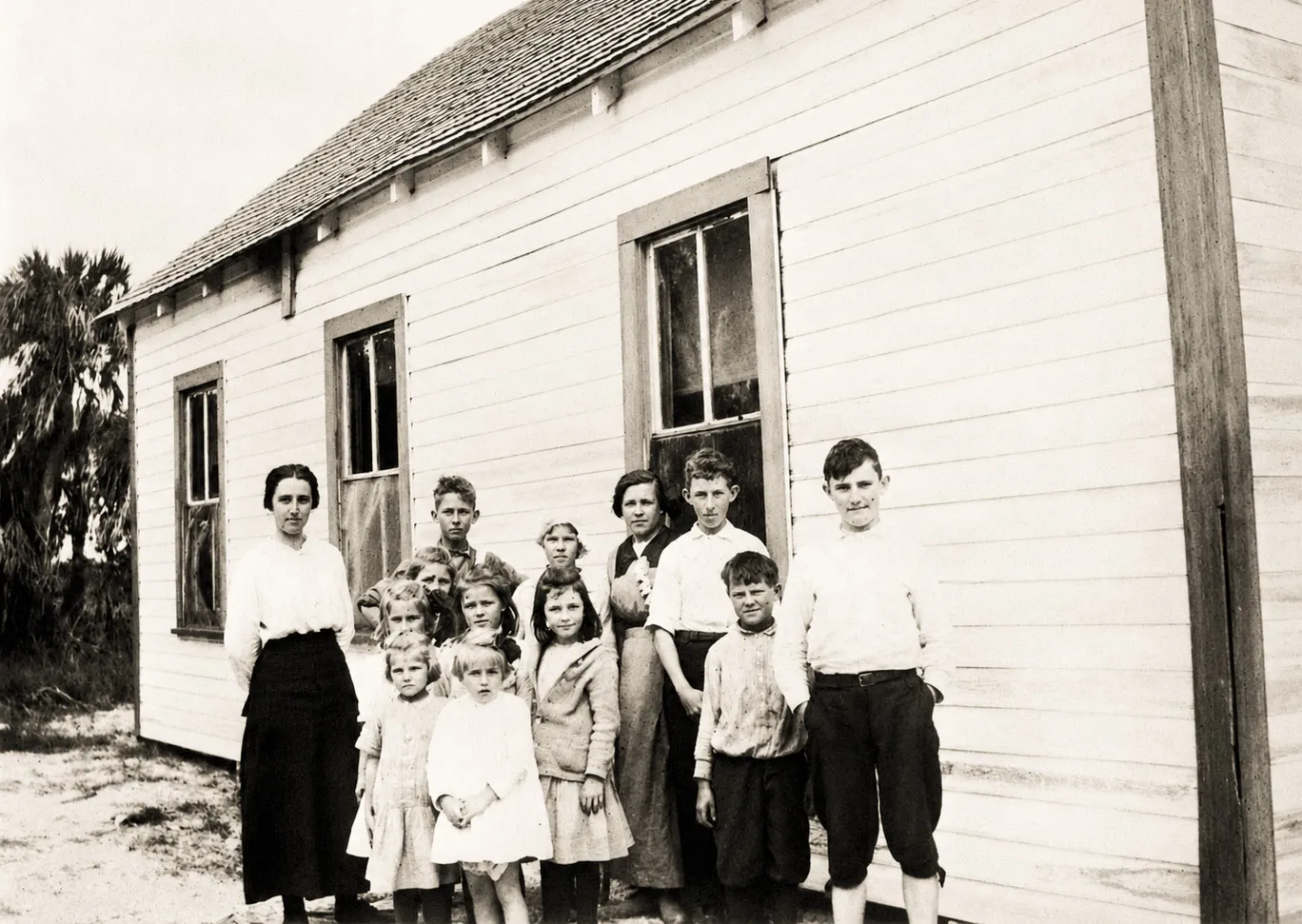
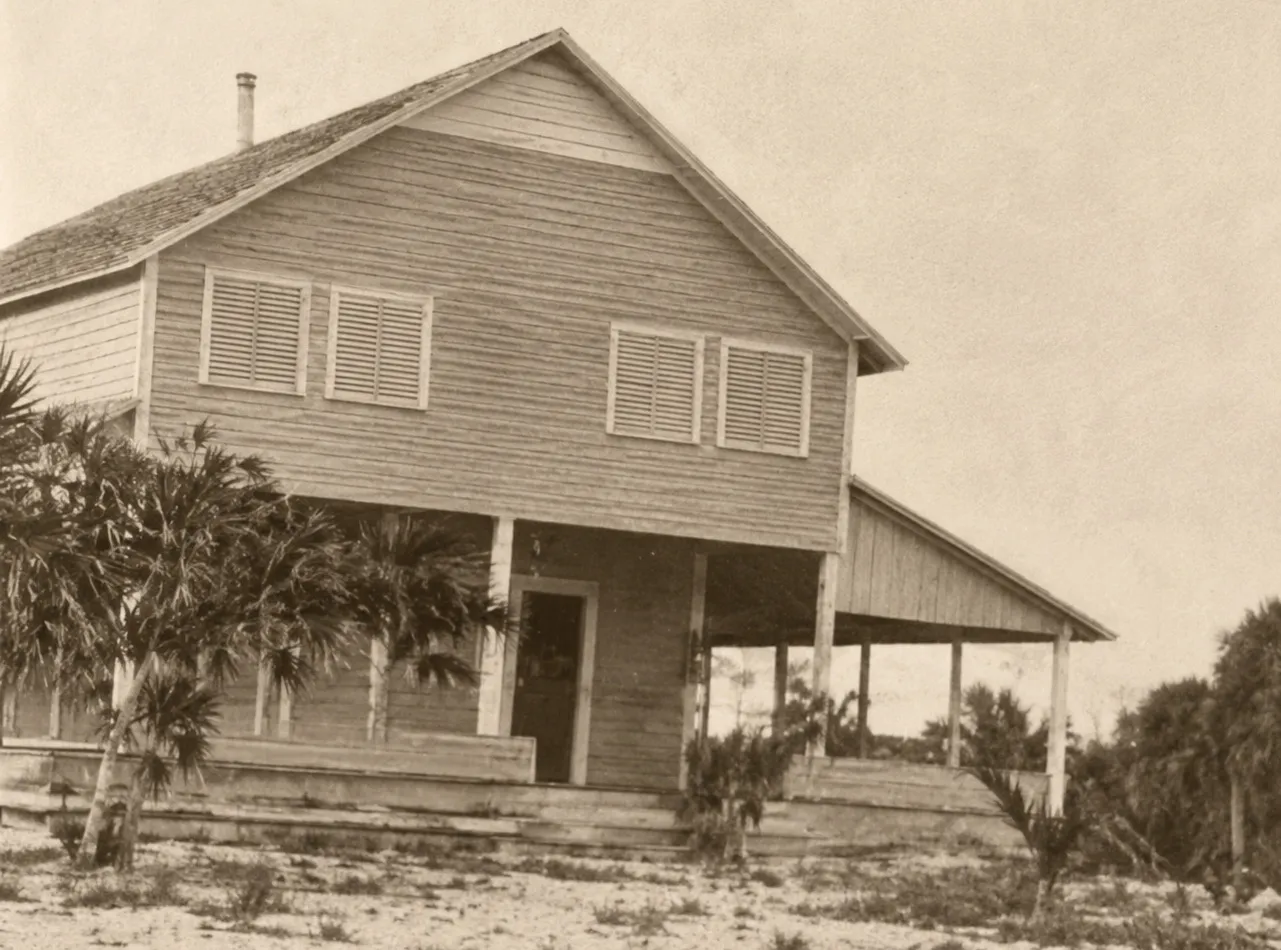
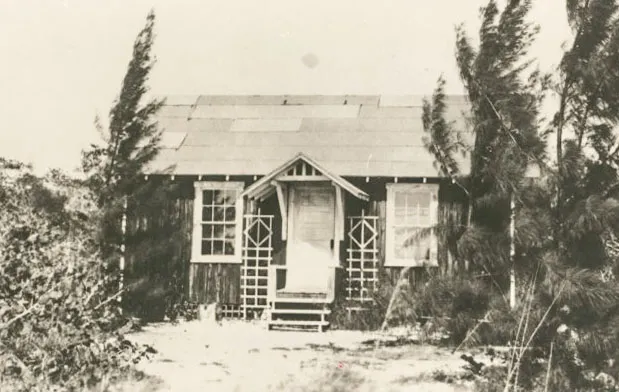
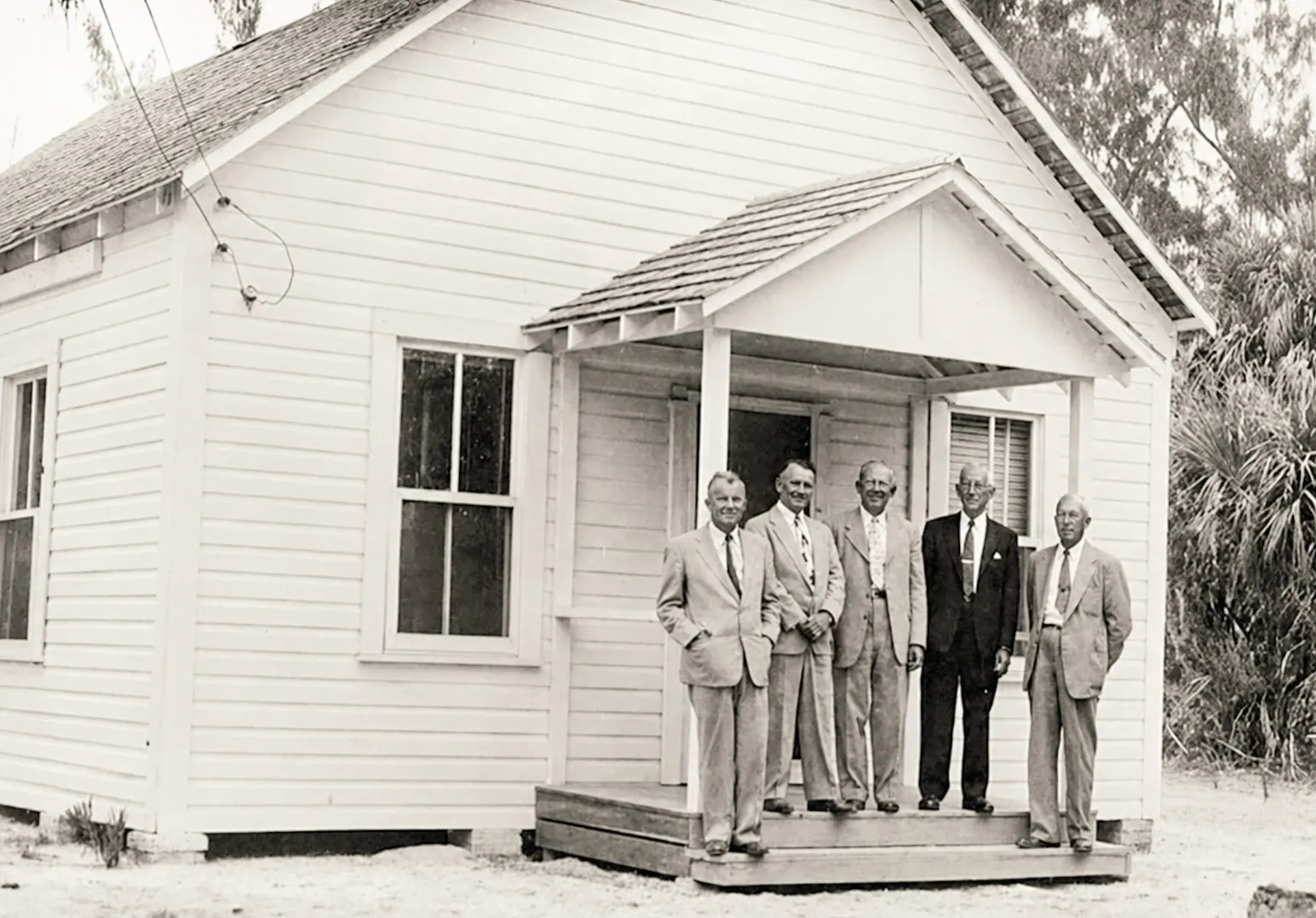
Captiva’s first schoolhouse is built on land donated by William Binder.
1901
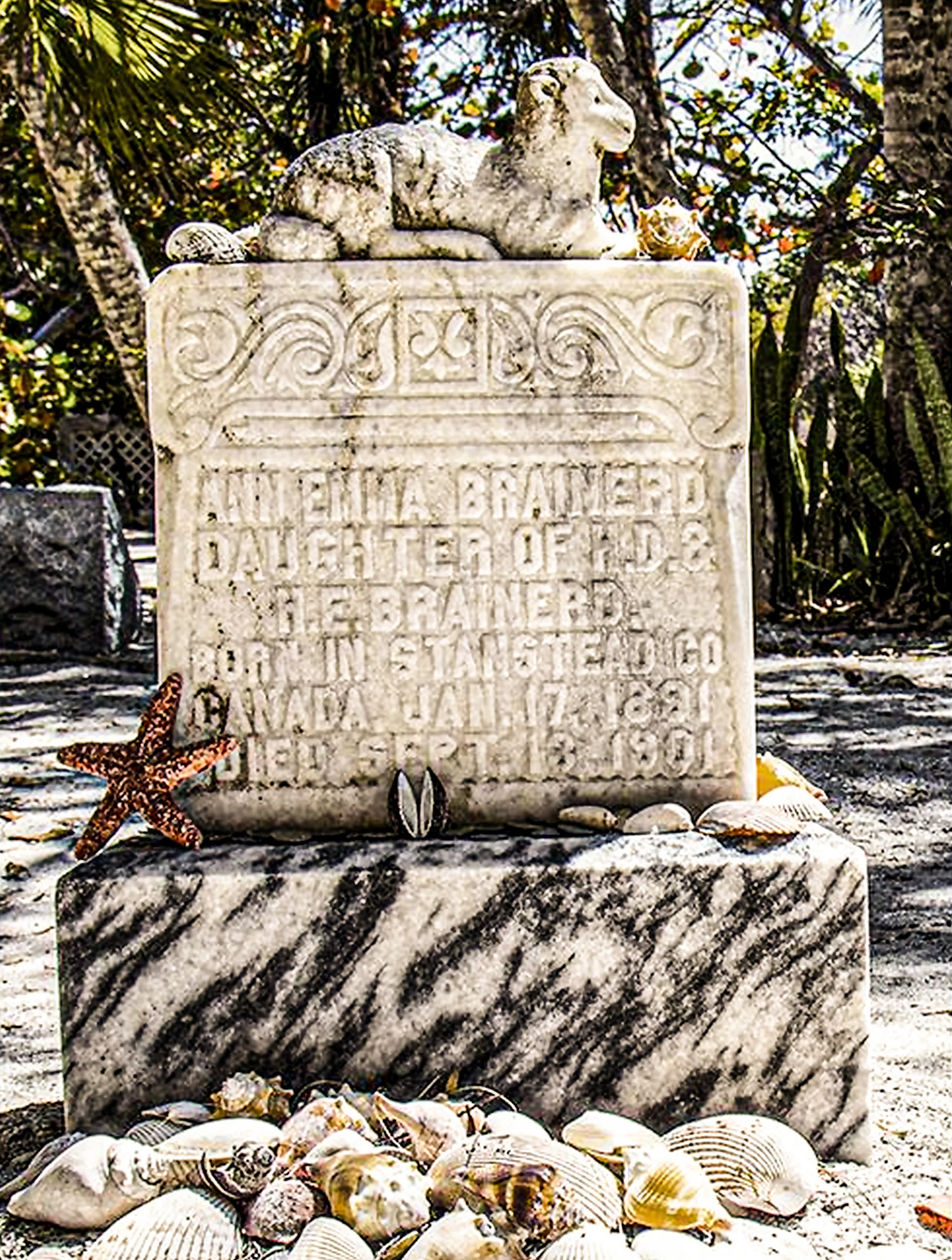
Captiva Cemetery is established on land that Ann Emma Brainerd purchased as a young girl from William Binder. After Ann Emma died of tetanus at age ten, the Brainerd family donated the land for use as a cemetery.
1903
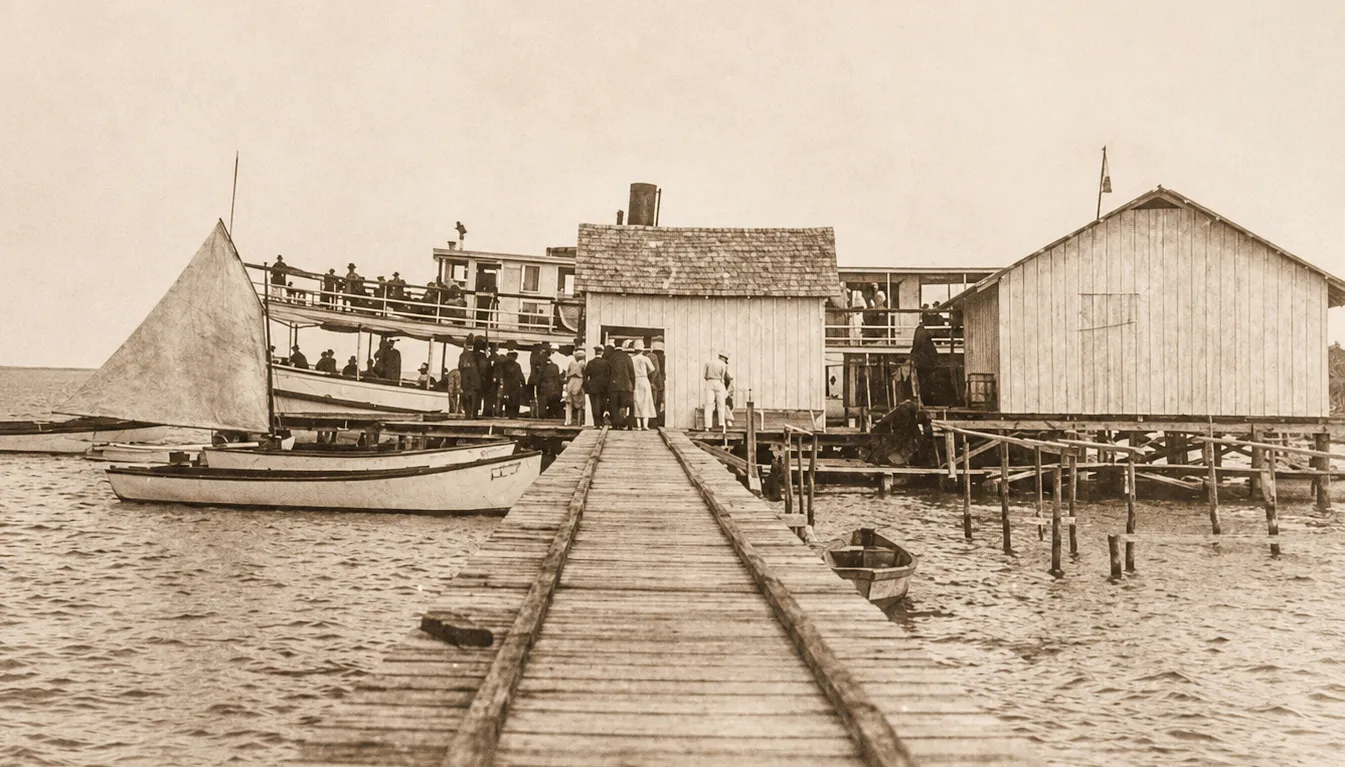
Charles "Pops" and Annie "Mom" Randall build their home beside City Dock, Captiva’s principal point of arrival and commerce.
1905
George Washington Carter receives a homestead patent for land at Captiva’s northern end—now the site of South Seas.
1906
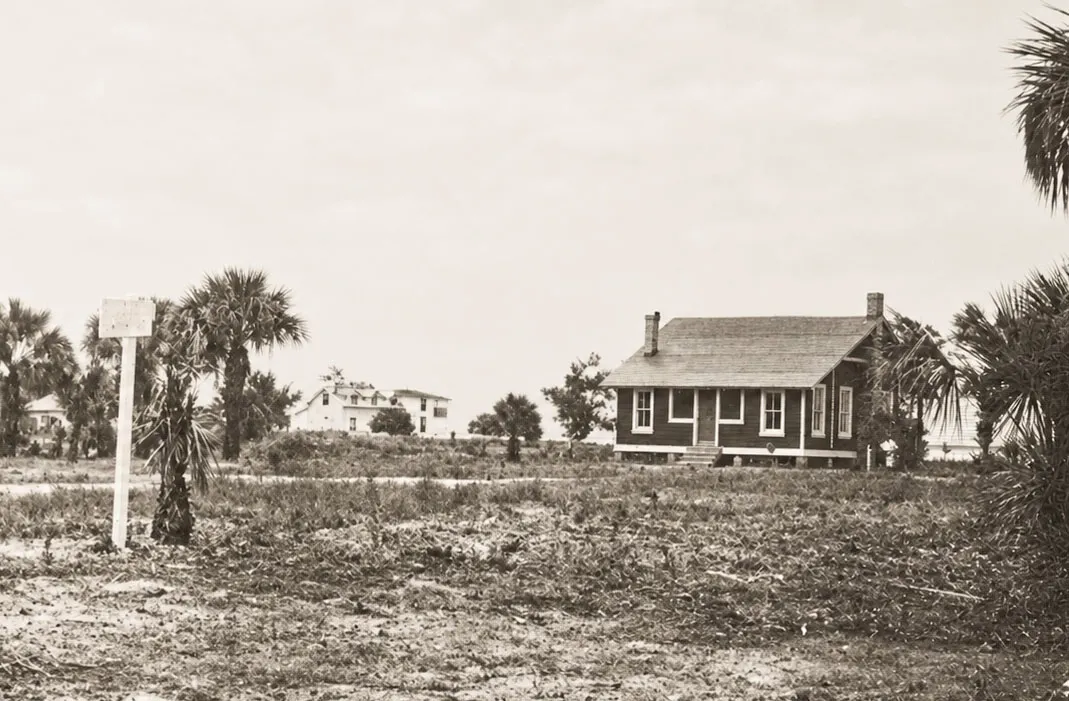
Pharmacist and inventor Dr. John and Julia Dickey of Bristol, VA, arrive and become prominent members of a growing community, building a substantial home that reflects the island’s growing appeal as a winter retreat.
1912
A portion of William Binder’s original homestead is sold to Captain Frank A. Lane and platted as Lane’s Bay View Subdivision, including the area now known as Binder Drive. Lane built a cottage on the property and created additional land by filling along the bay.
1914
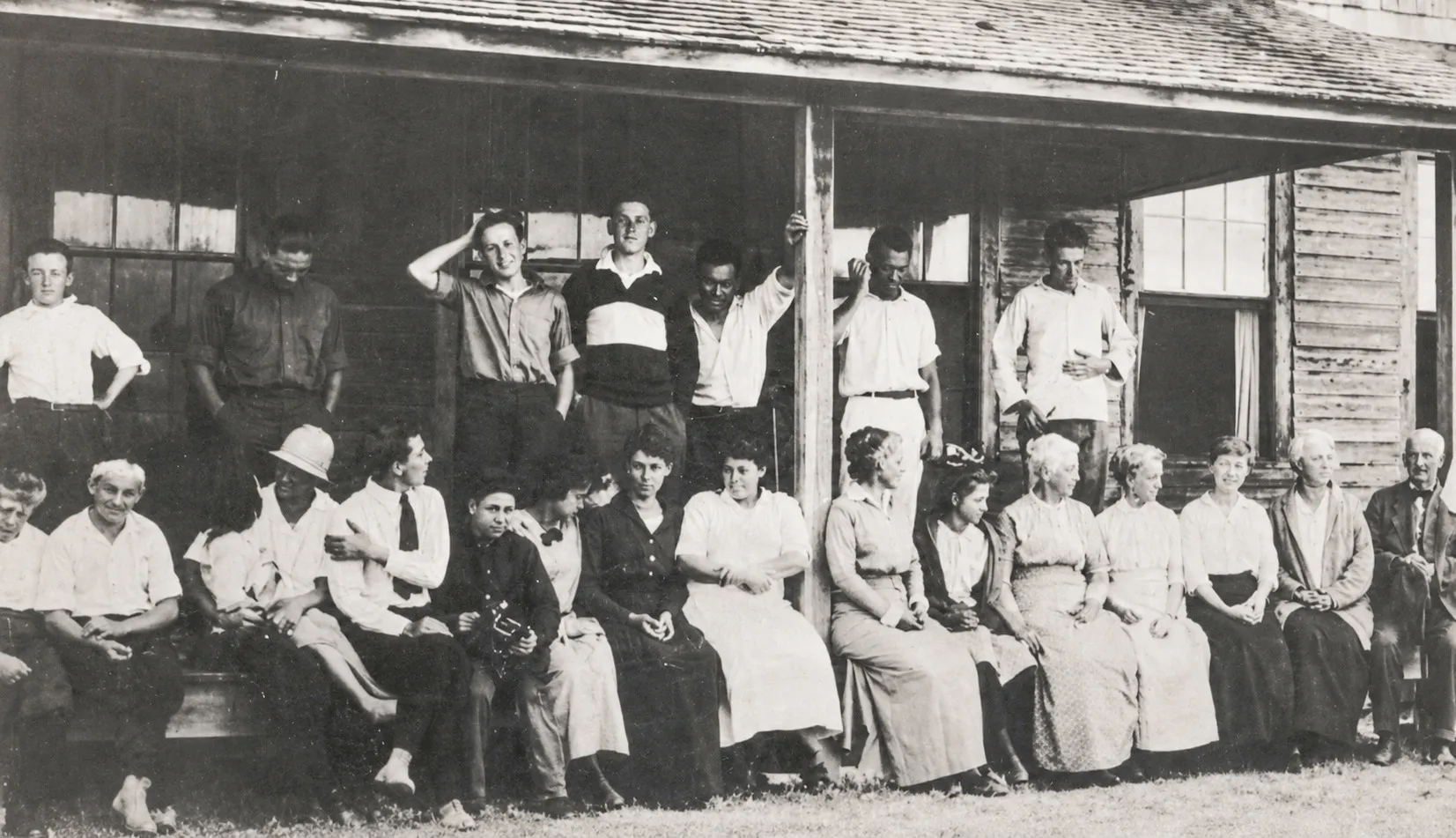
1914 The Snyder Outdoor School for Boys relocates from Buck Key to Captiva.
1916
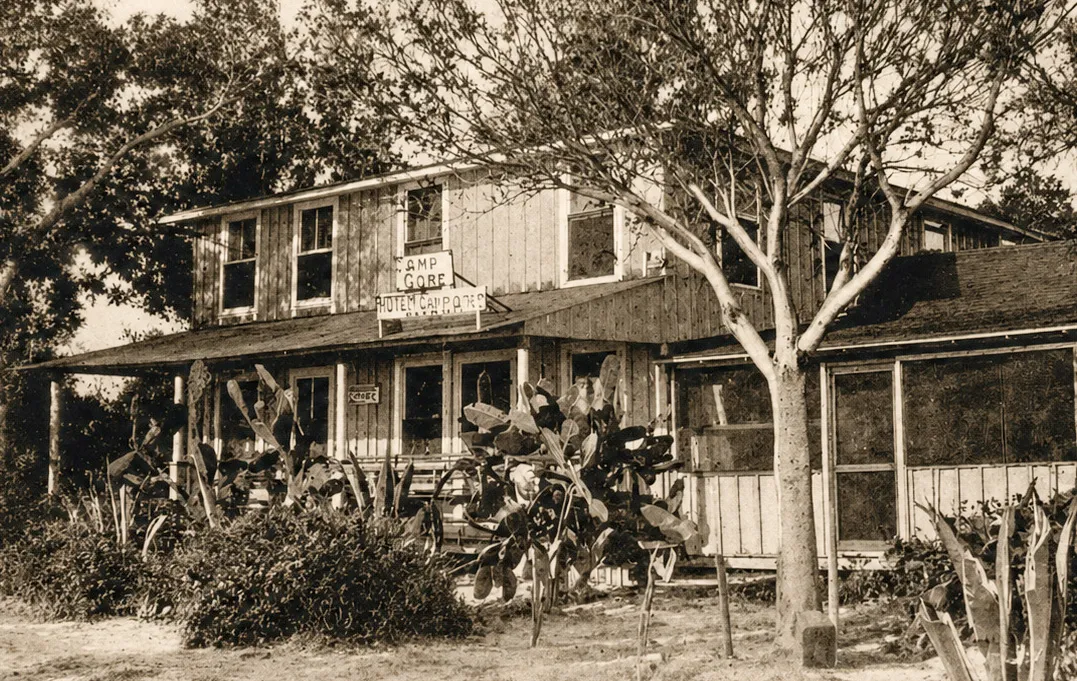
After the death of husband Herbert, Captiva postmistress Hattie Brainerd marries Alvin Gore. They open The Gore Hotel, also known as Camp Gore, which also houses the island’s post office.
1917
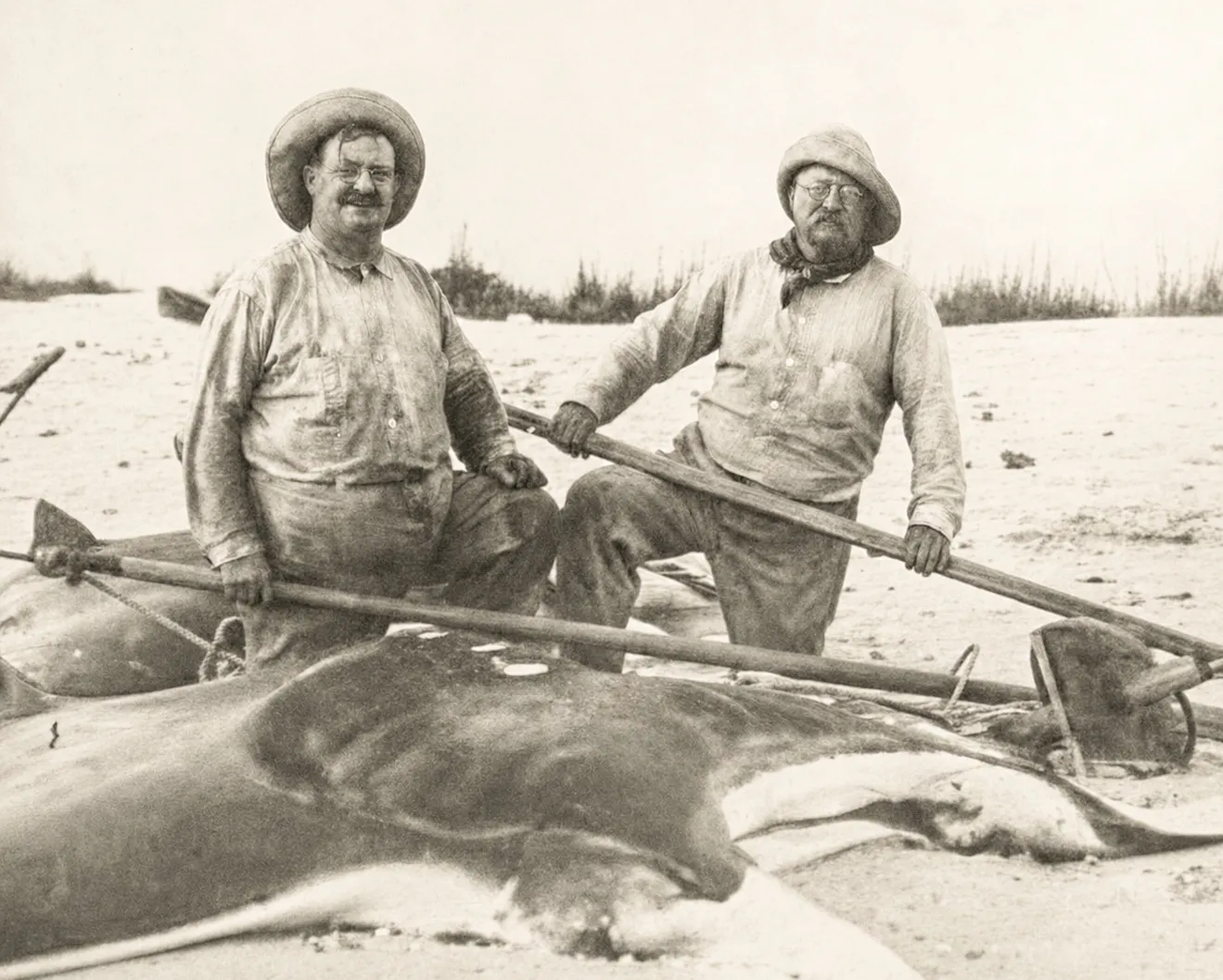
Former President Theodore Roosevelt visits Captiva hunting devilfish with RJ Coles. They camp on a lighter anchored on the sound side of Captiva and visit Snyder School students.
1918
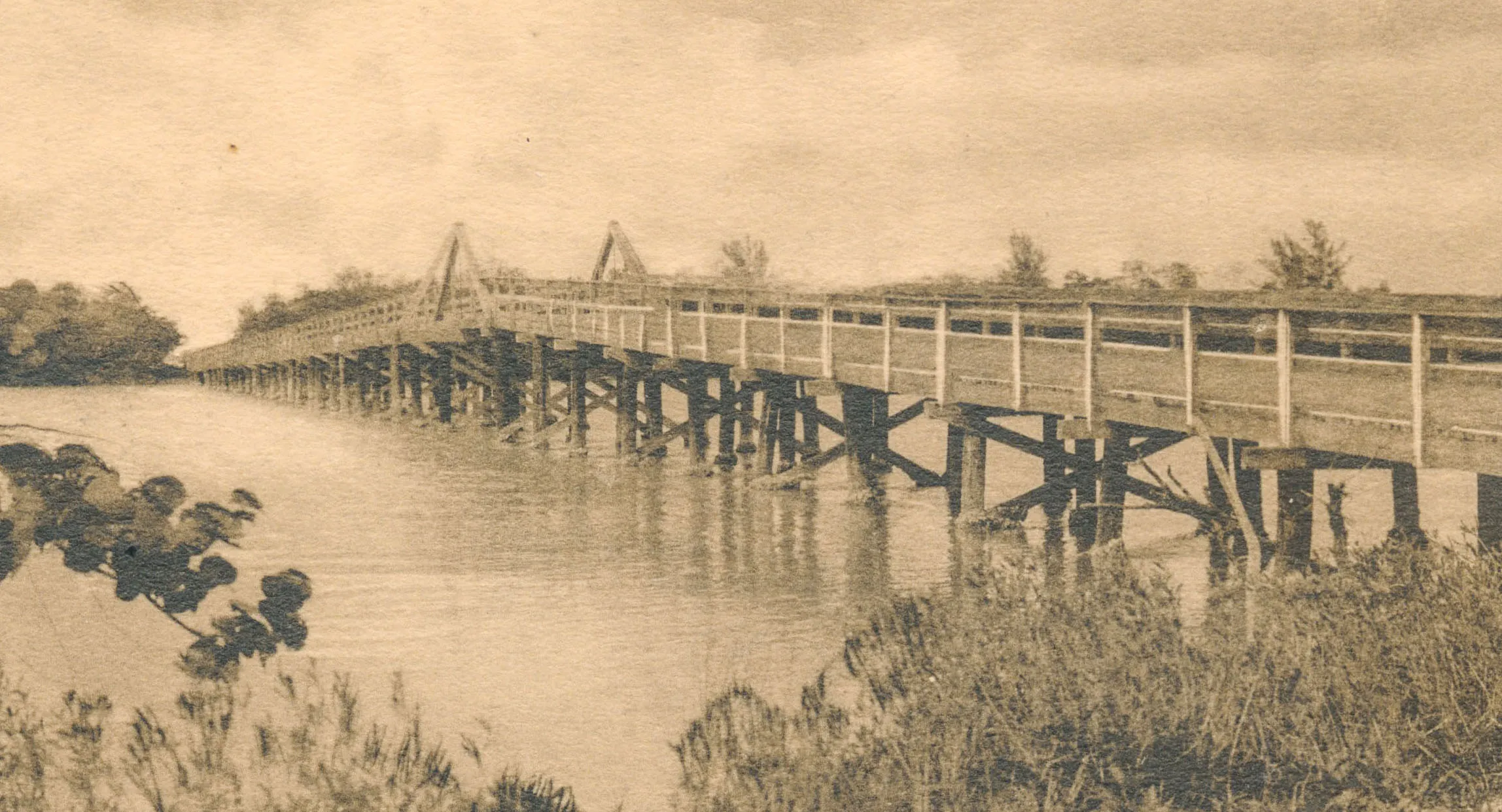
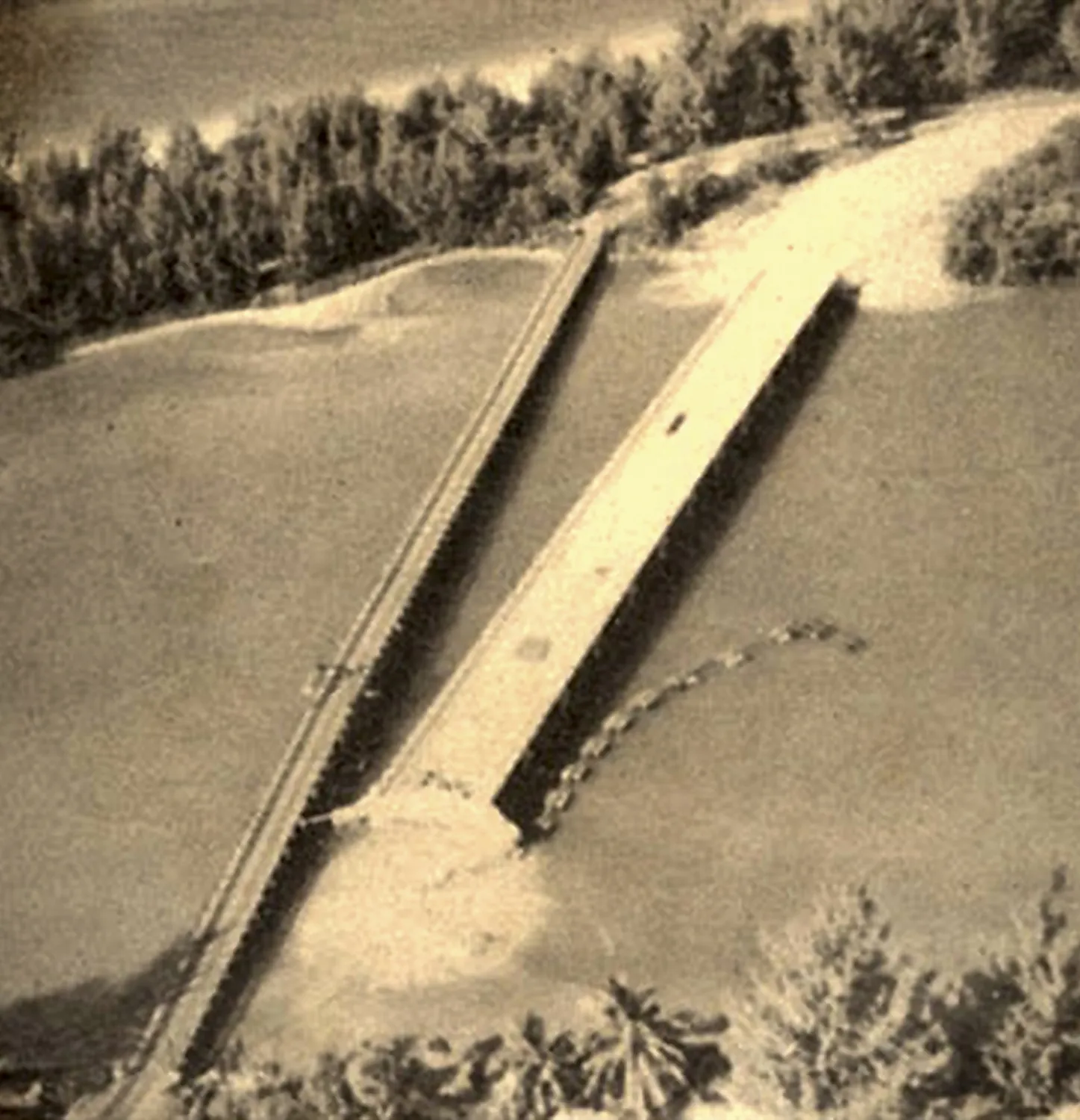
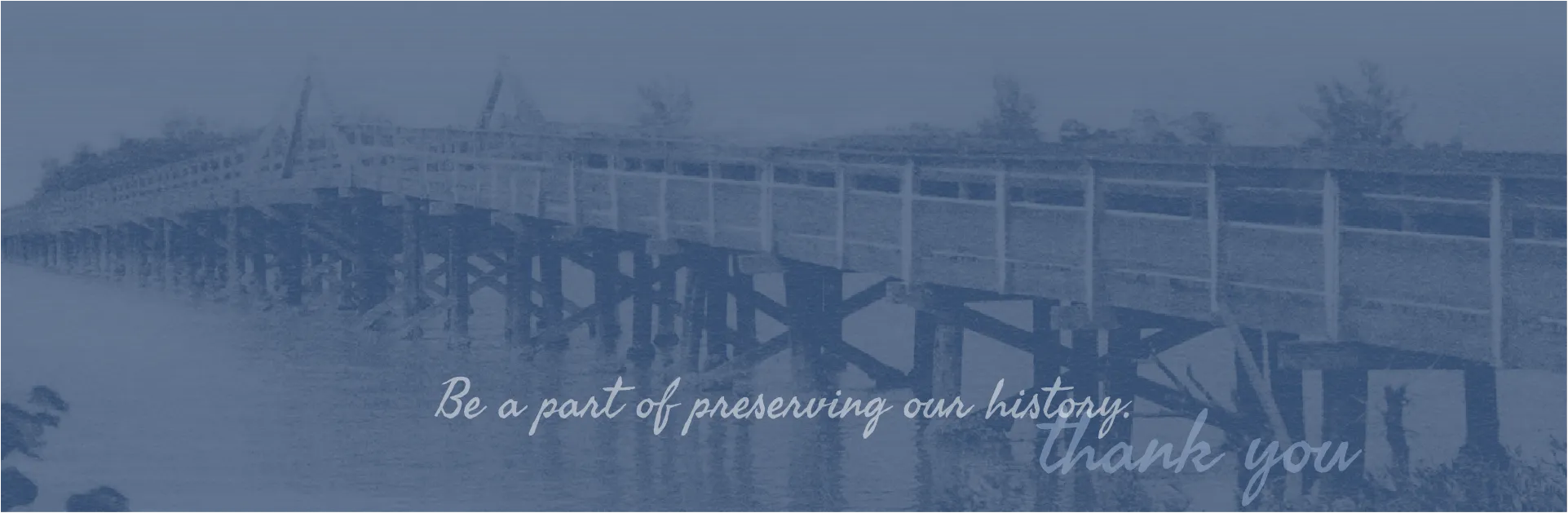
A one-lane wooden bridge is constructed across Blind Pass, connecting Sanibel and Captiva for the first time.
1921
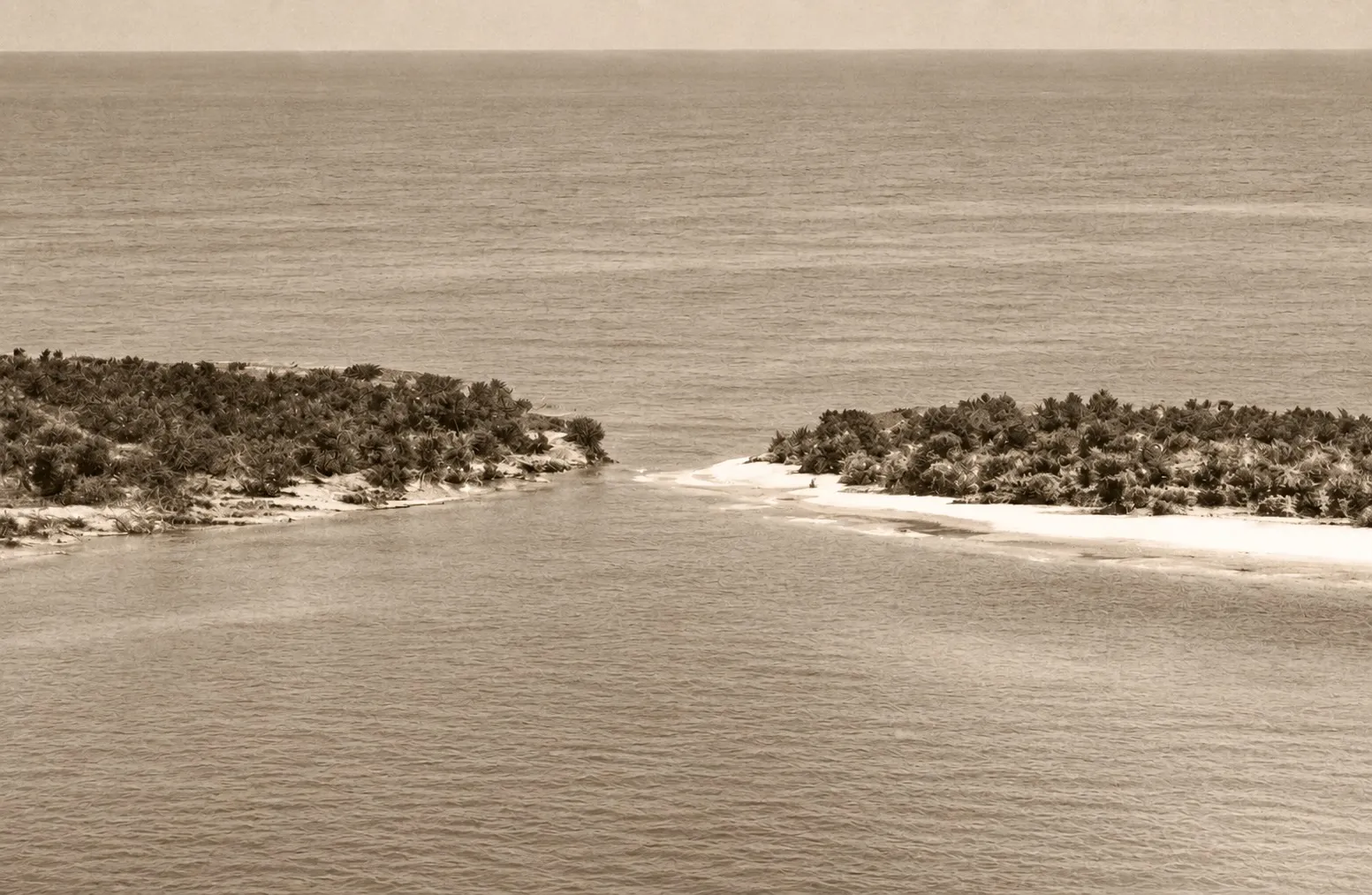
A powerful hurricane divides Captiva, separating what becomes North Captiva and creating what is eventually called Red Fish Pass
1923–1925
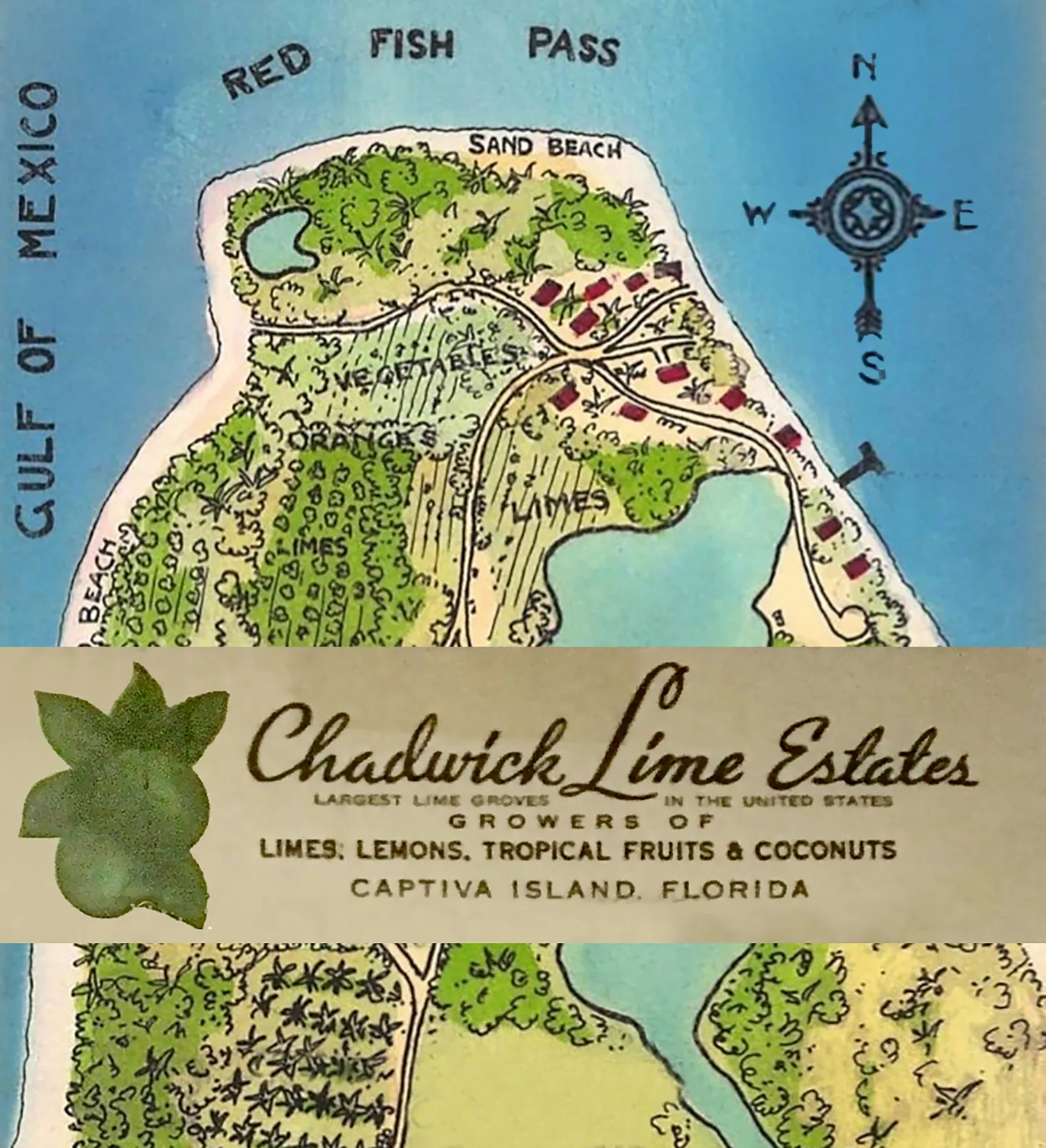
Inventor Clarence Chadwick & wife Rosamond purchase Carter’s 160 acres (see 1903) and establish a Key Lime plantation.
1924
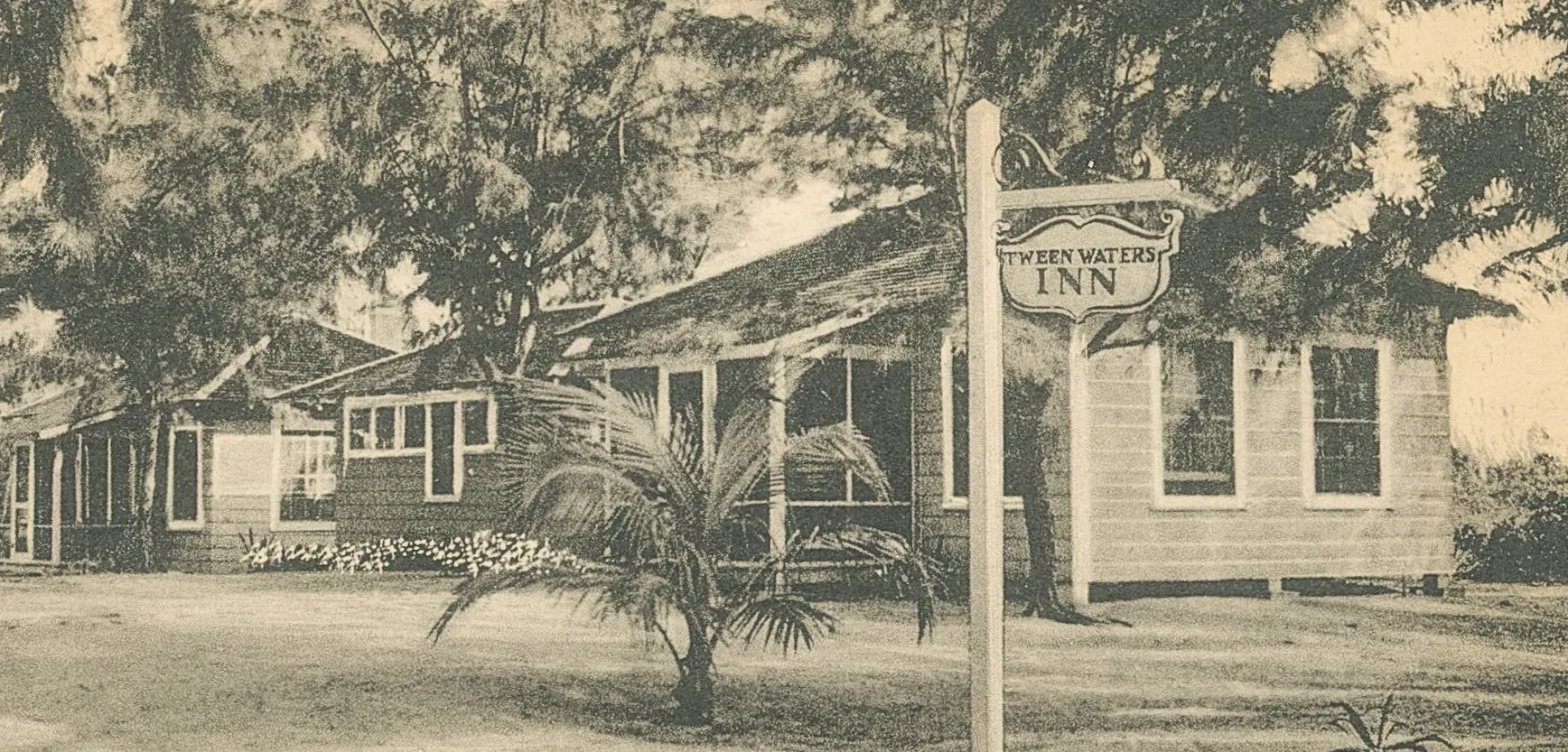
Virginians F. Bowman and Grace Price purchase a cottage and property from John and Julia Dickey (see 1906). Thus begins Price’s Cottages and the future ’Tween Waters Inn.
1926
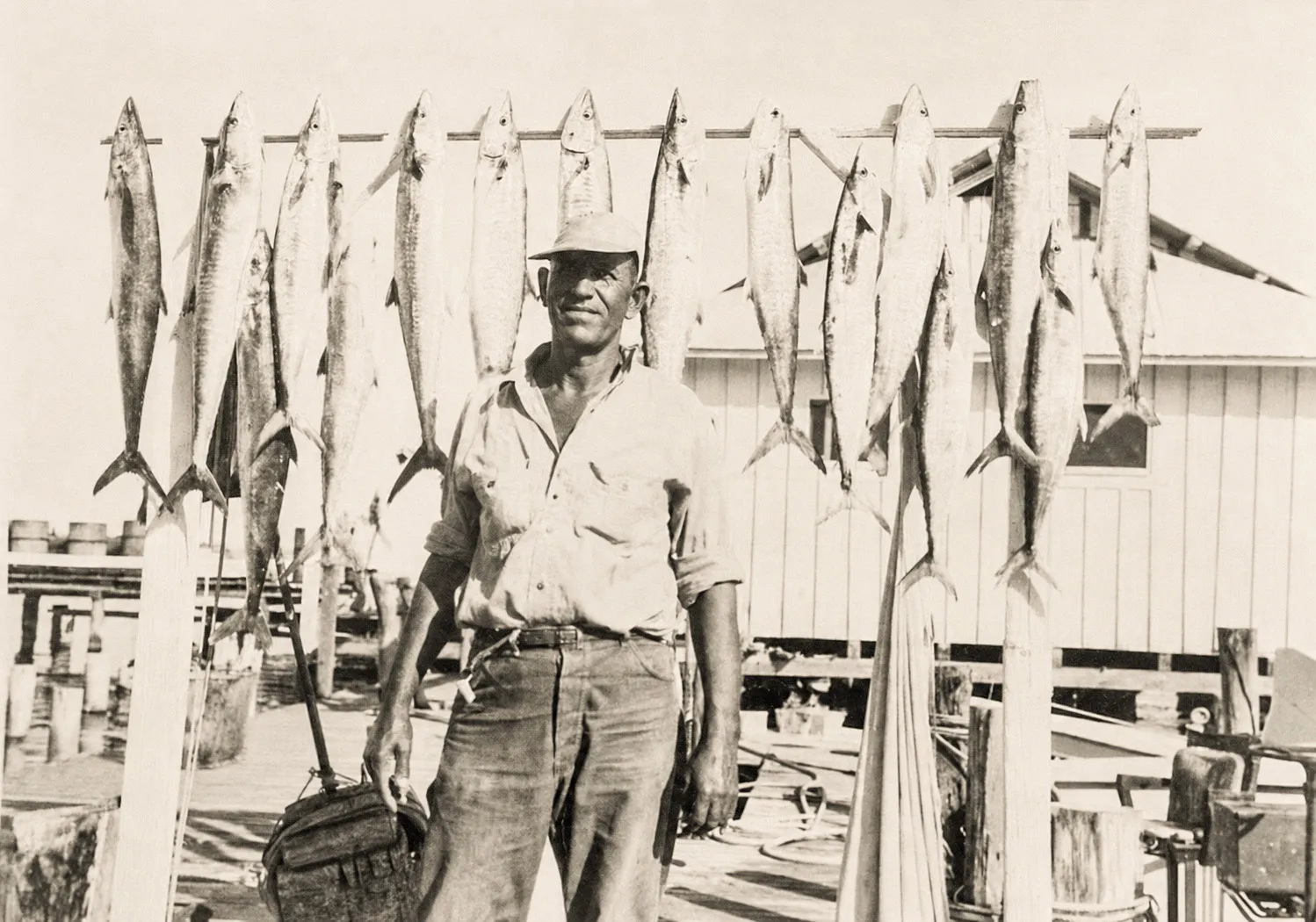
Andy and Dessa Rosse move to Captiva, where Andy works as a commercial fisherman and fishing guide.
1927–1931
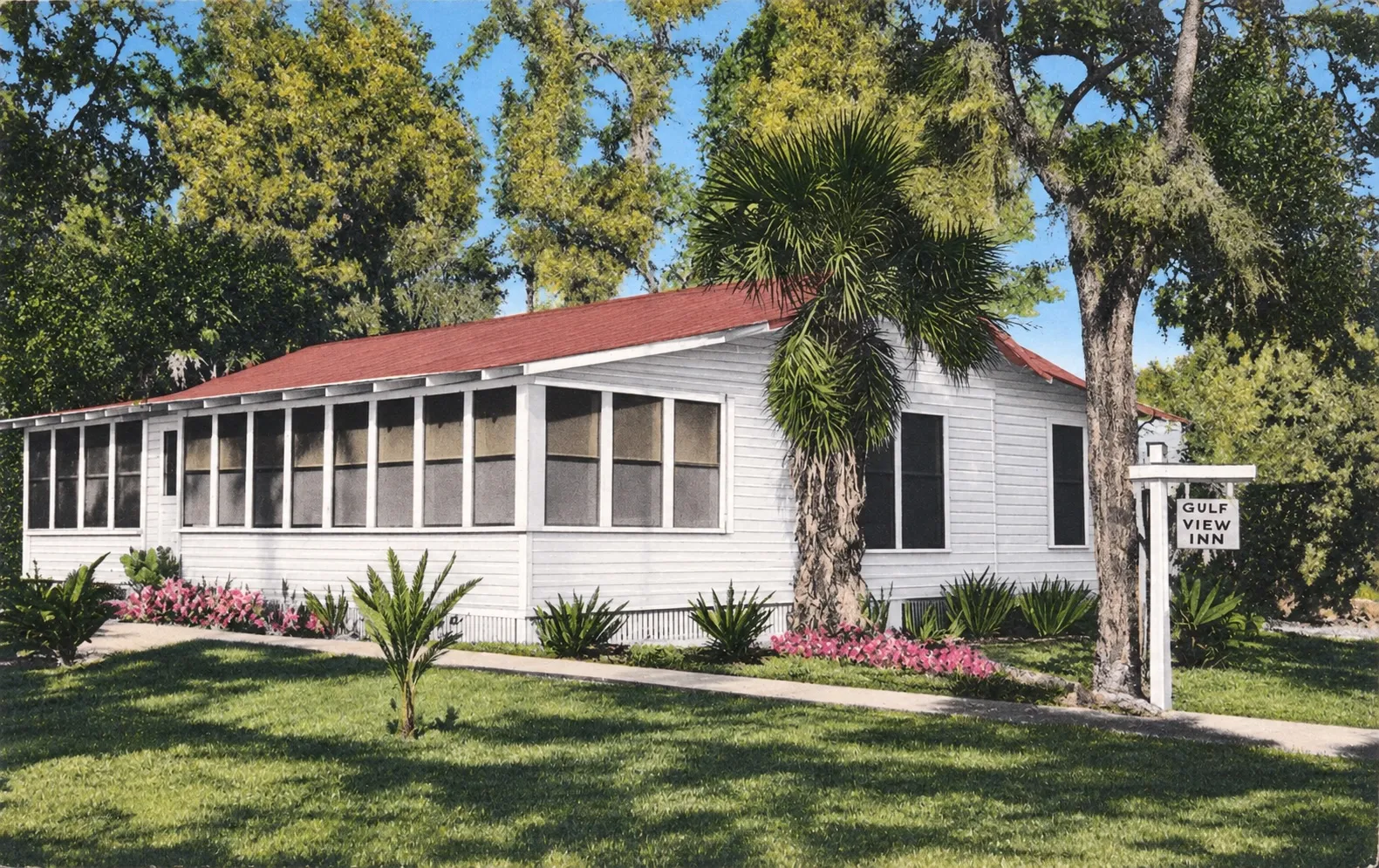
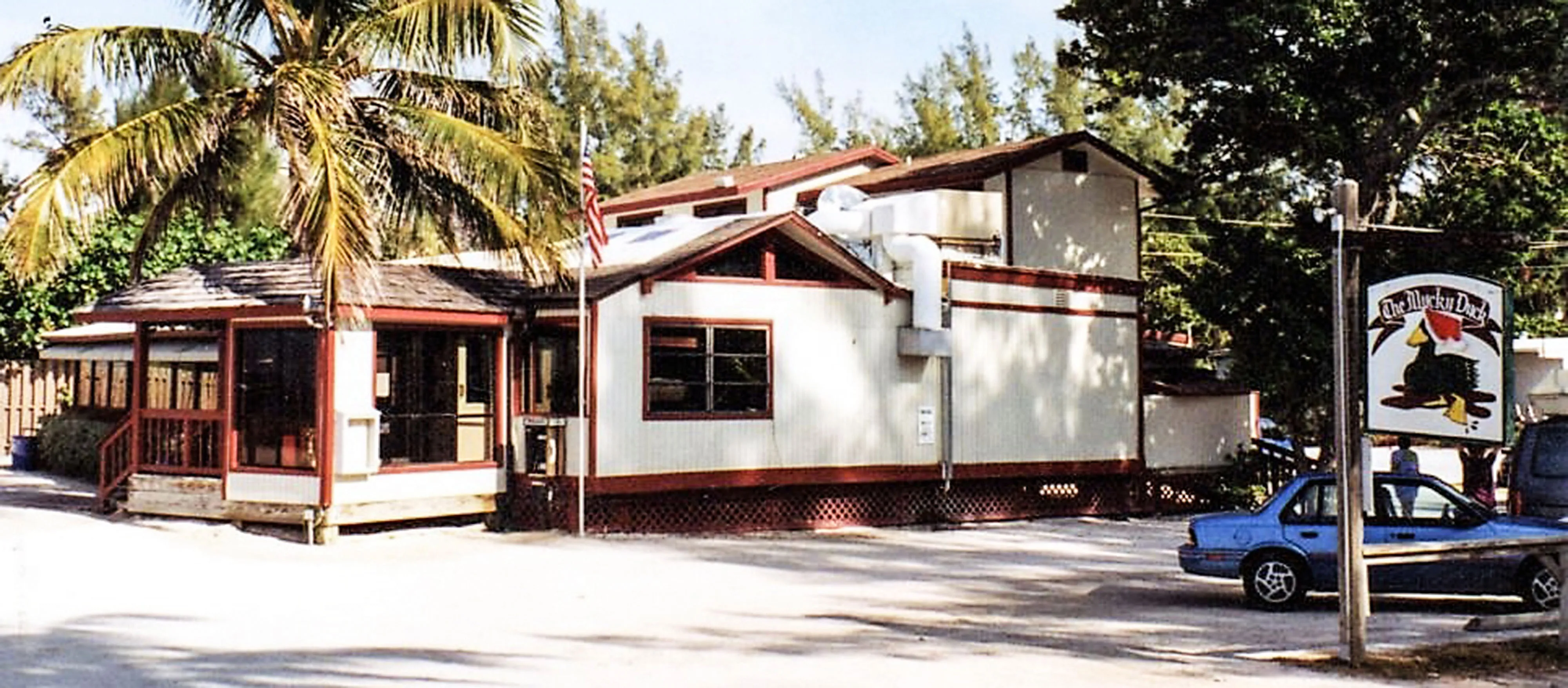
James and Signe Wightman acquire a beachfront building and establish the Gulf View Inn, part of which is today’s Mucky Duck.
1931
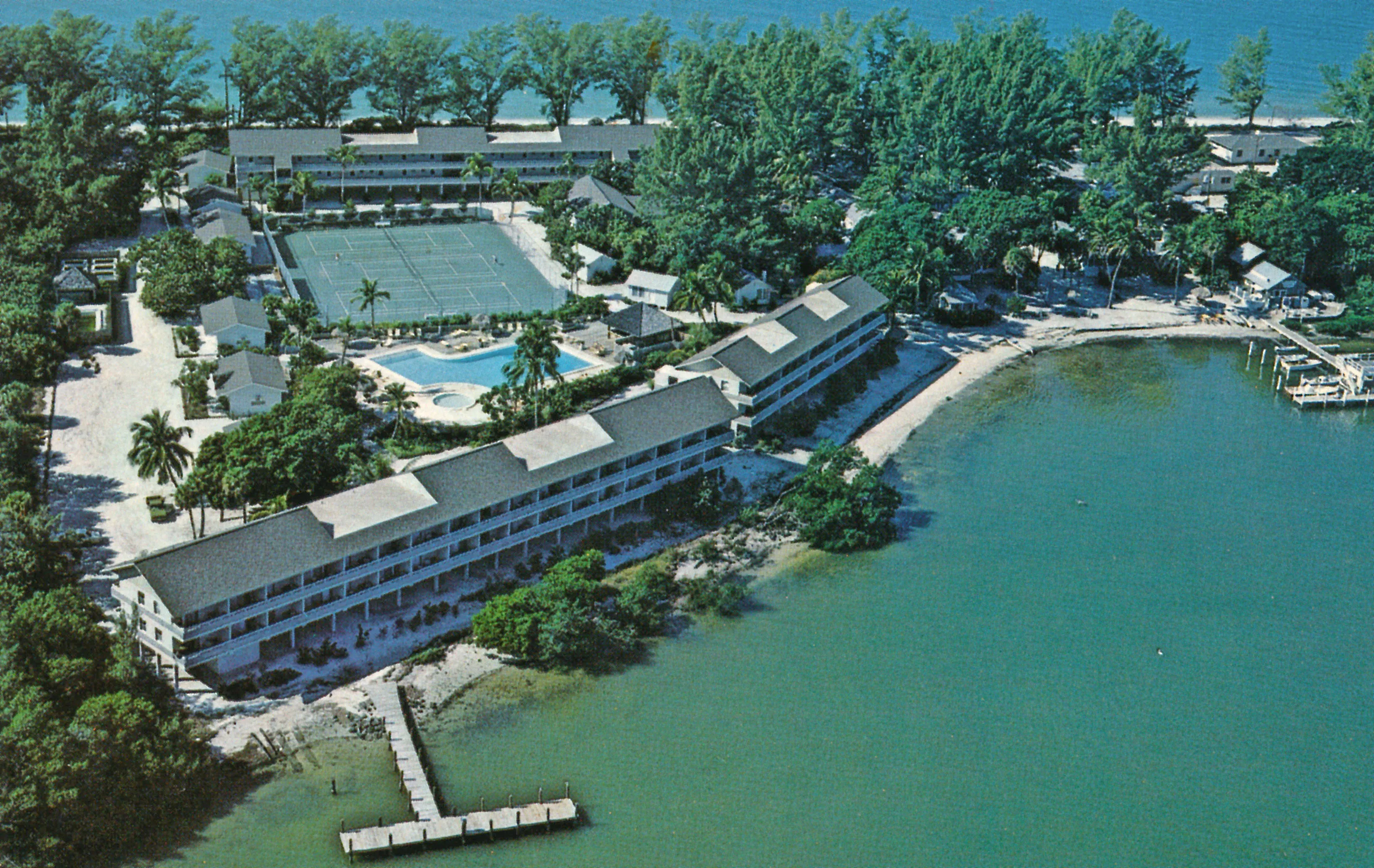
With only two cottages, Bowman and Grace Price establish ’Tween Waters Inn, adding one cottage every year until Bowman’s death in 1937.
1936
Julia Dickey and other island women organize the group that becomes the Captiva Civic Association.
1936
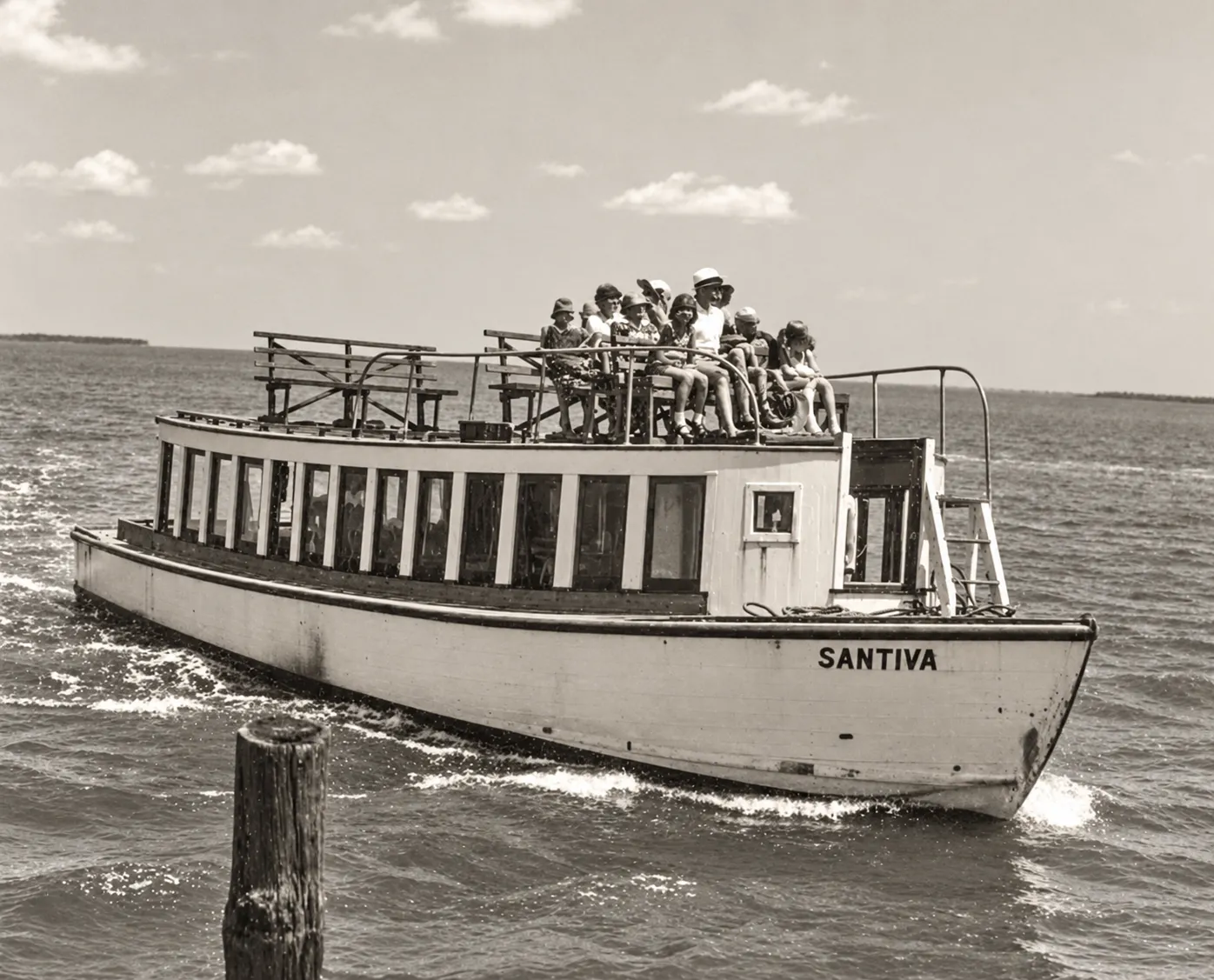
The Singleton family begins operating the mailboat Santiva, carrying mail, passengers, and supplies to Captiva.
Circa 1940
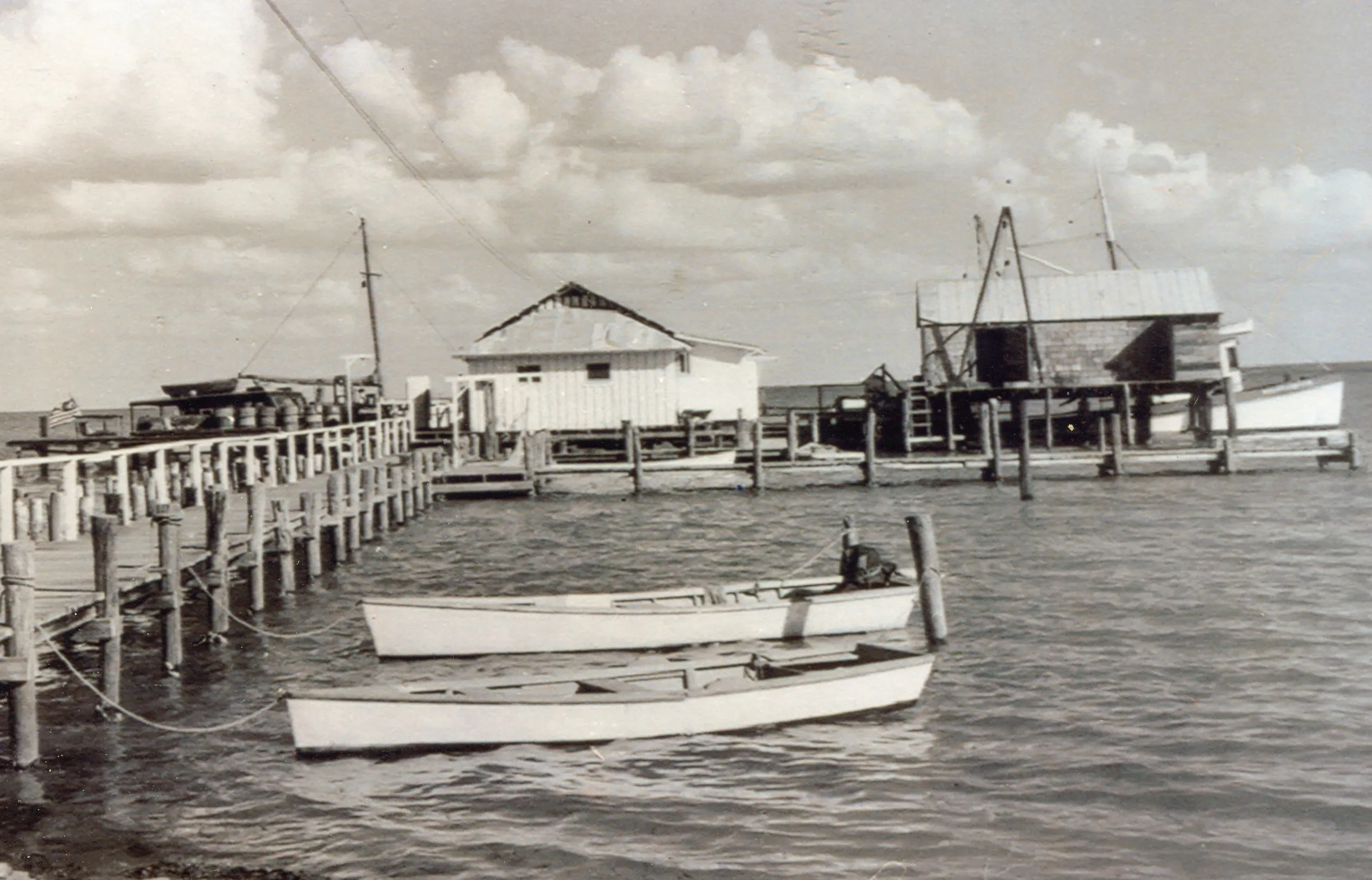
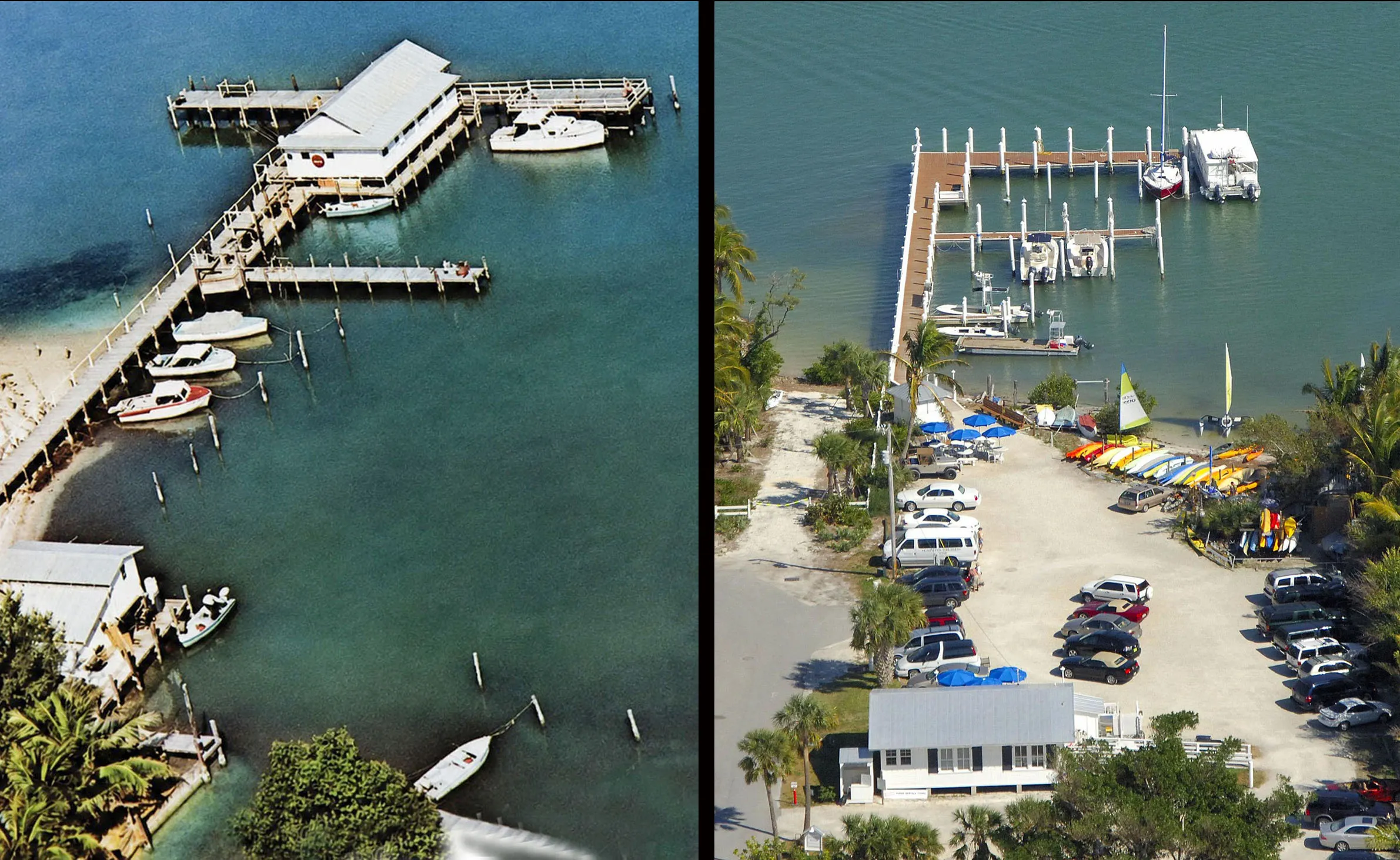
Andy Rosse purchases Captiva’s City Dock , with financial help from J. N. “Ding” Darling and establishes Andy’s Fishing Pier & Bar - a hub of island social life.
Early 1940s
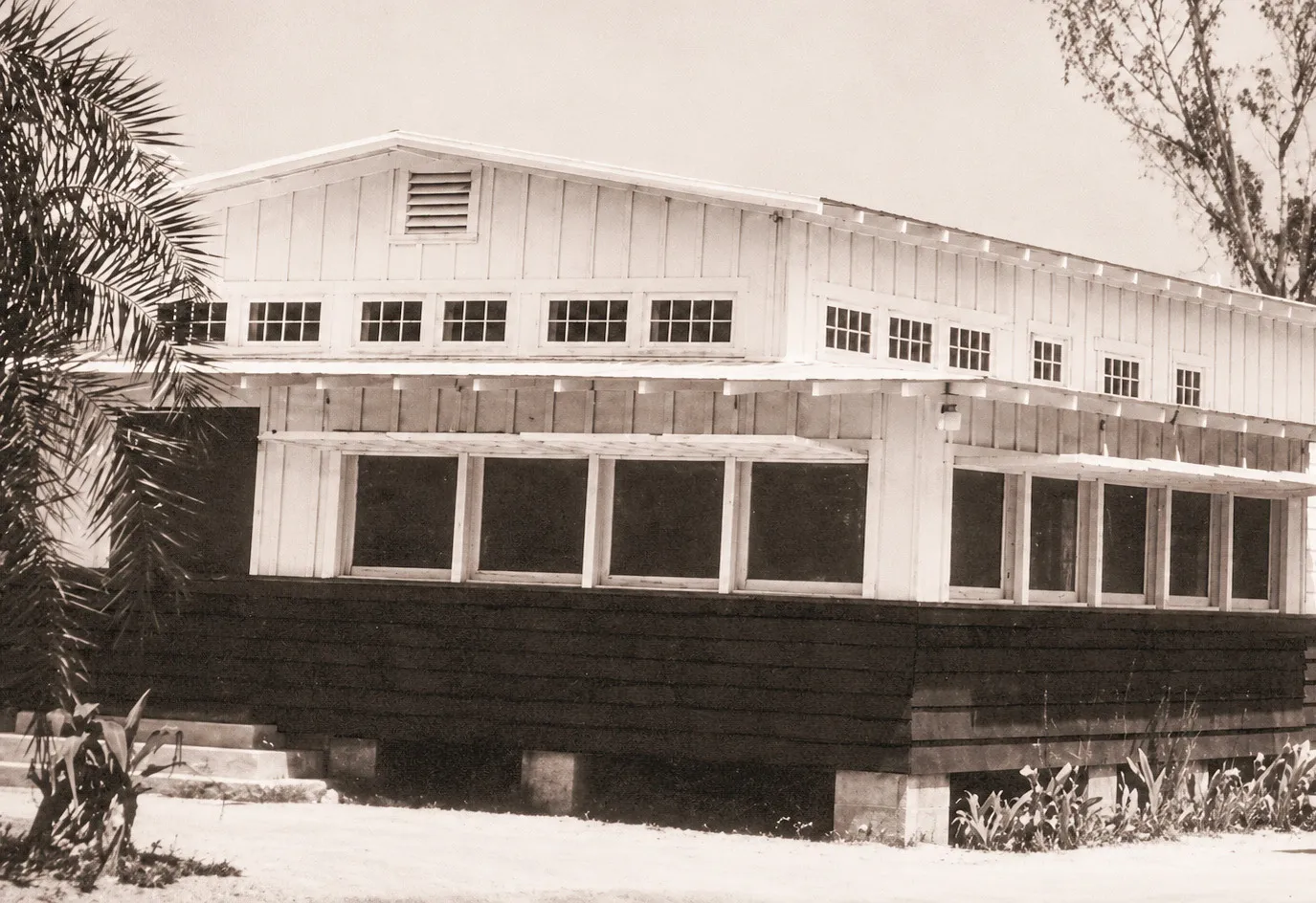
The Island Store opens when Ding Darling remodels a 1915 two-story building—previously used as a school dormitory, boardinghouse, and offices.
1942
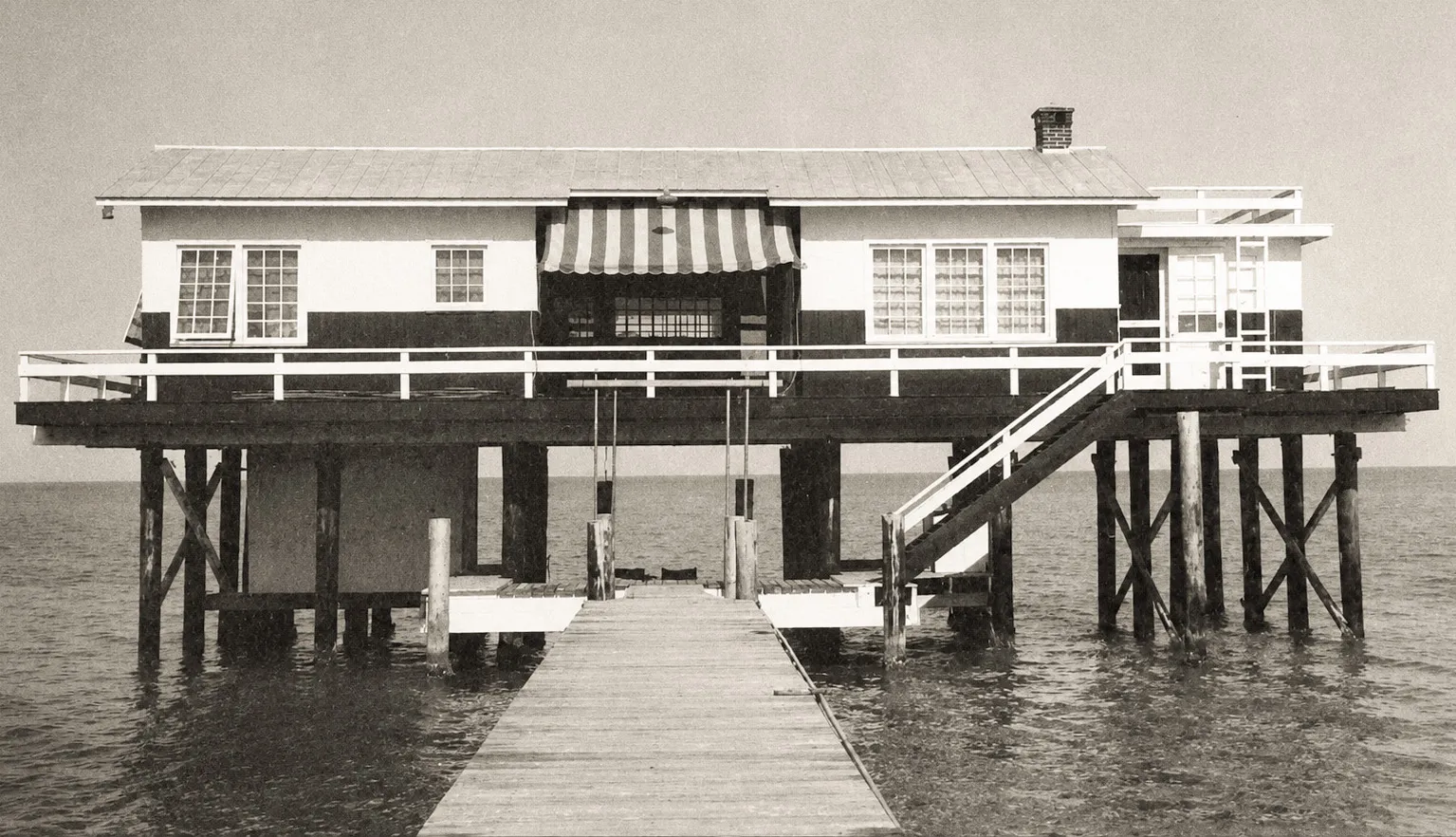
After purchasing the waterfront property from Clarence Chadwick in the late 1930s, J.N. “Ding” Darling builds his over-water Fish House as a private retreat for fishing, drawing, and conservation work.
1942–1946
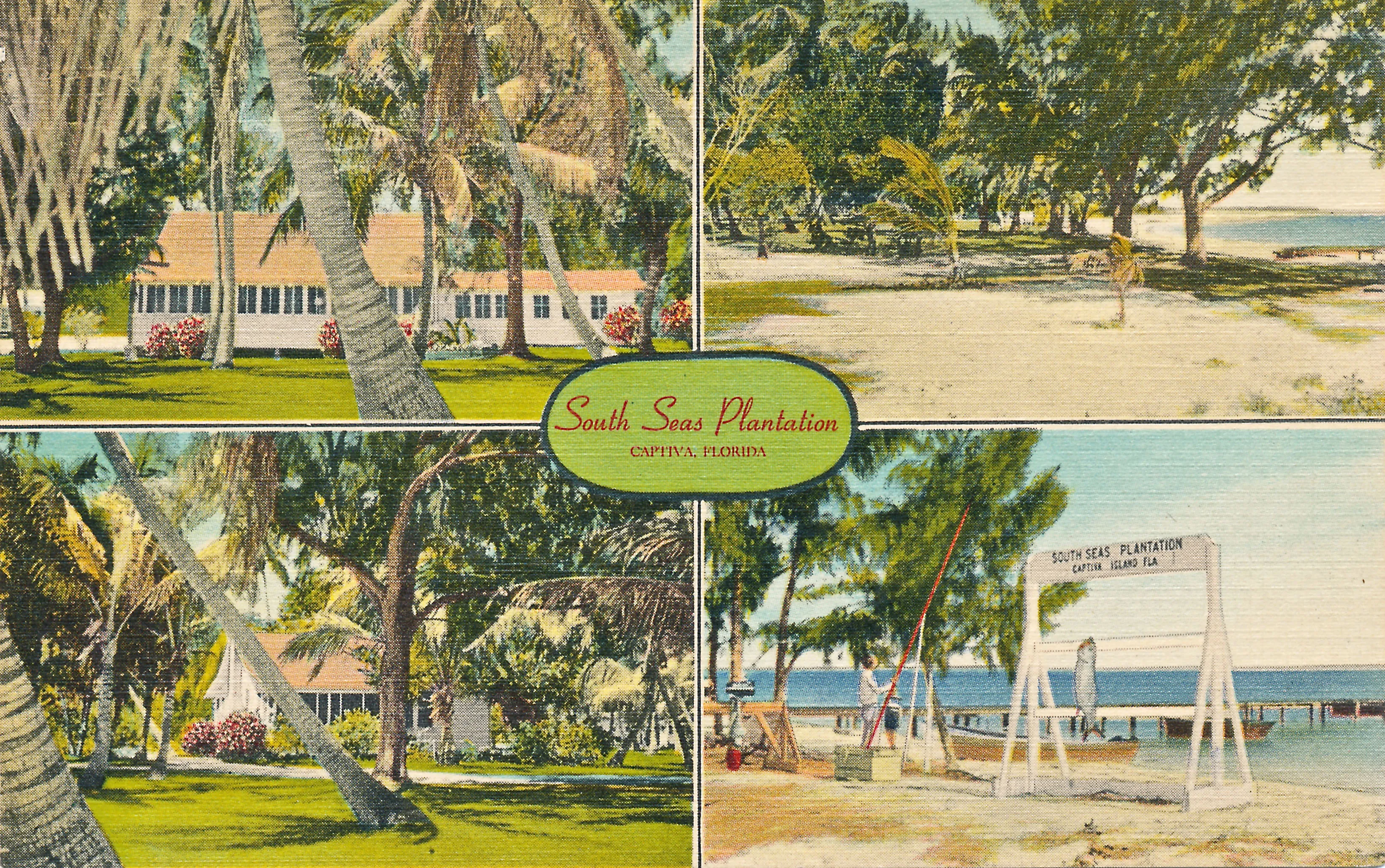
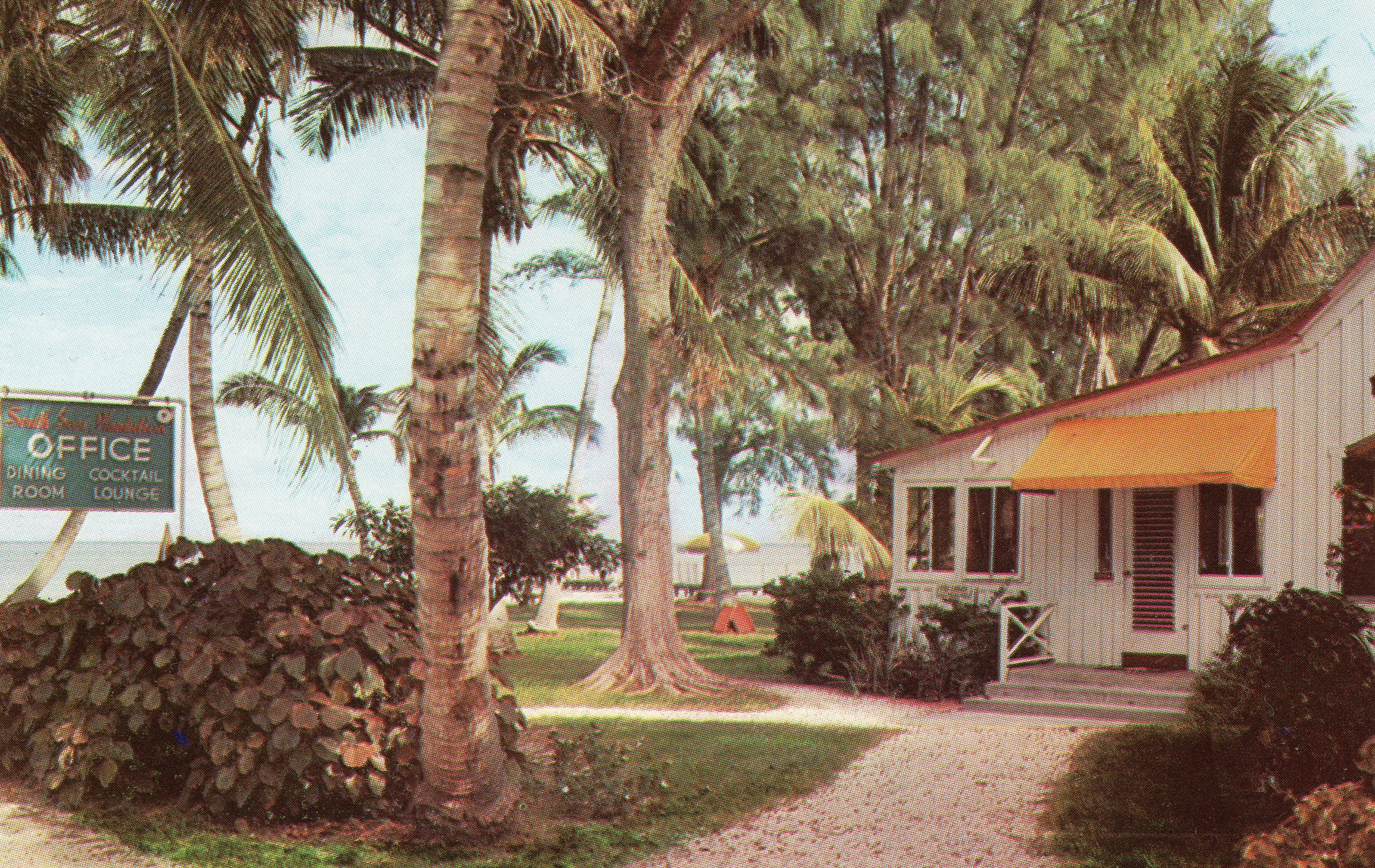
Bill Hunt and General Wesley Kincaid purchase the former Chadwick plantation through the American Hotel Company, transforming it into a fish camp, South Seas Plantation.
1948
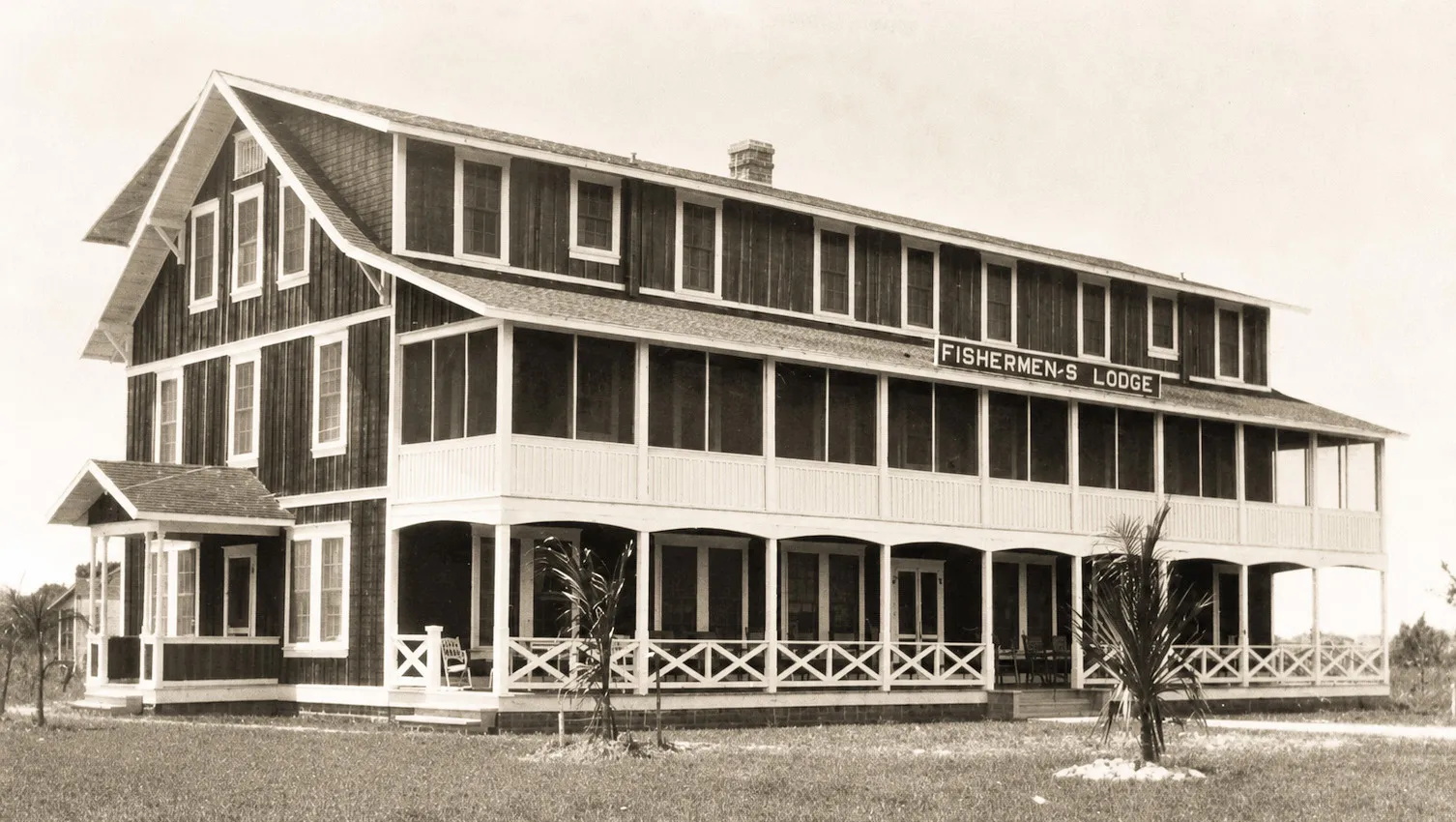
Fisherman’s Lodge, one of Captiva’s earliest hotels and known over the years as the Bayview Hotel, Captiva Hotel, and Captiva Lodge, is destroyed by fire.
1948
Captiva Chapel by the Sea is established as an interdenominational place of worship in the island’s former one-room schoolhouse (see 1901).
1952
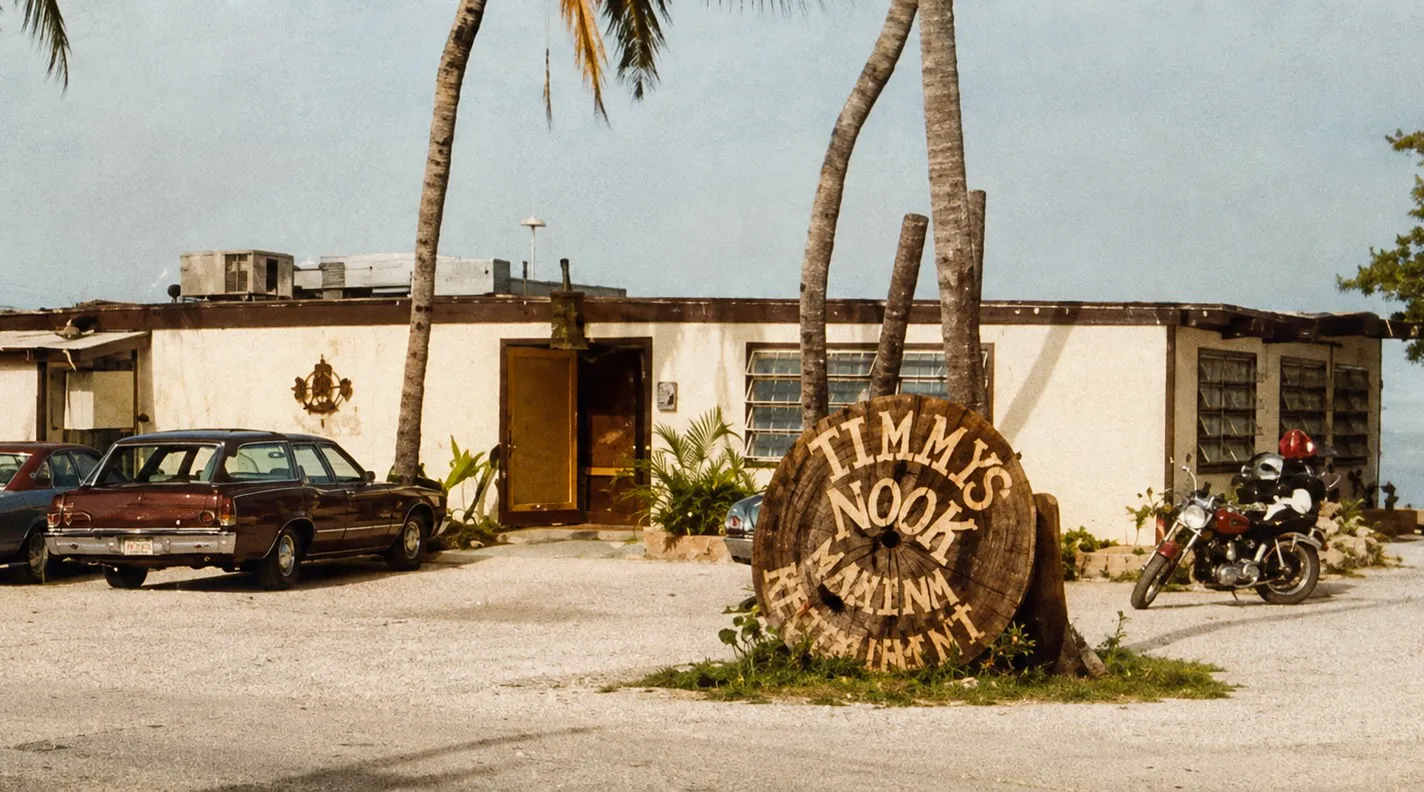
T. M. “Timmy” Wiles Jr. and Beulah Mae Brainerd Parks Wiles open Timmy’s Nook, a beloved island gathering, now the site of the Green Flash Restaurant.
1955
The first two-lane concrete bridge opens at Blind Pass, replacing the wooden bridge built after a 1926 hurricane destroyed the original 1918 span.
1955
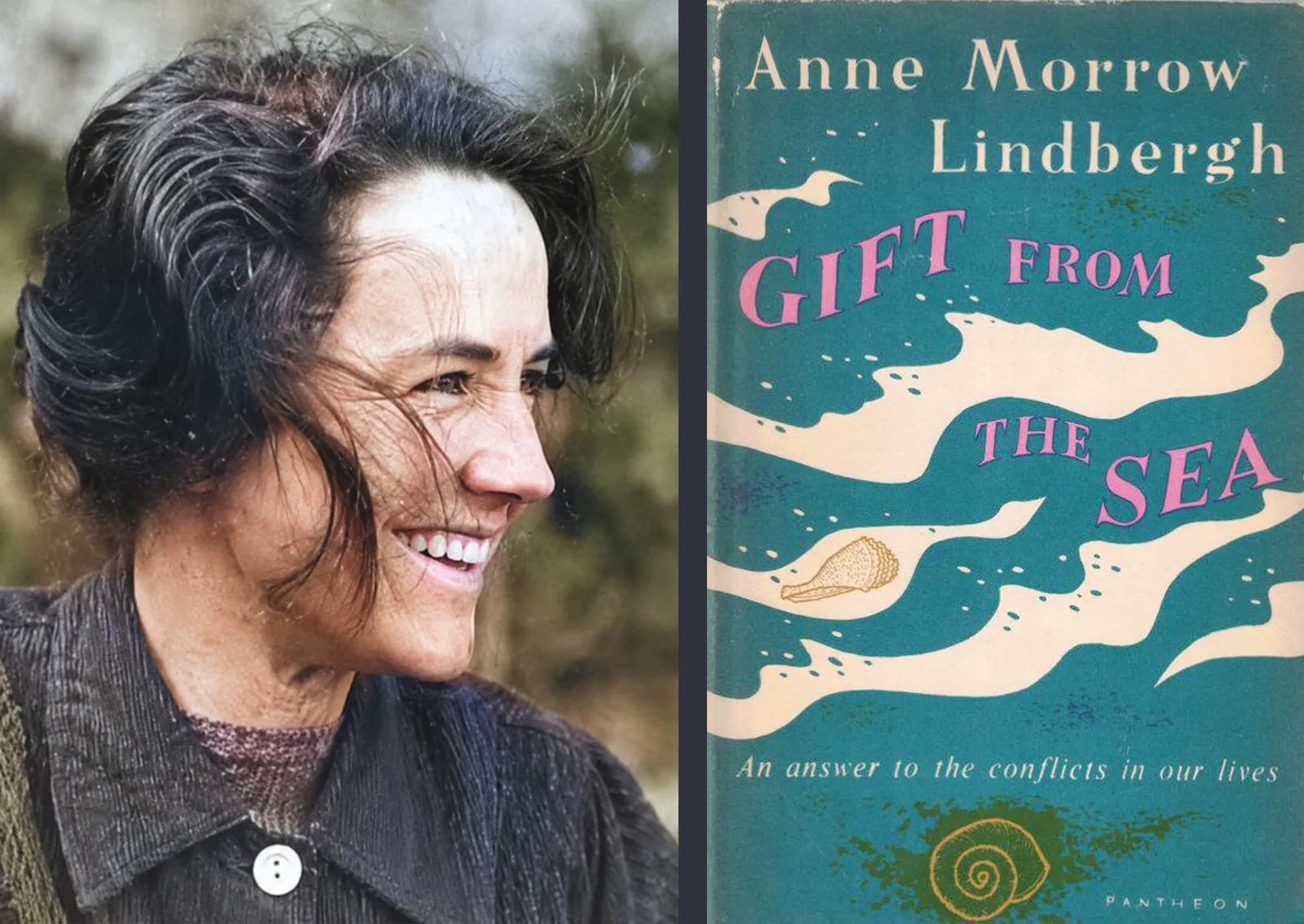
Anne Morrow Lindbergh publishes Gift from the Sea, drawing inspiration from the solitude, seashells, and natural beauty she experienced from her time on Captiva Island.
1961
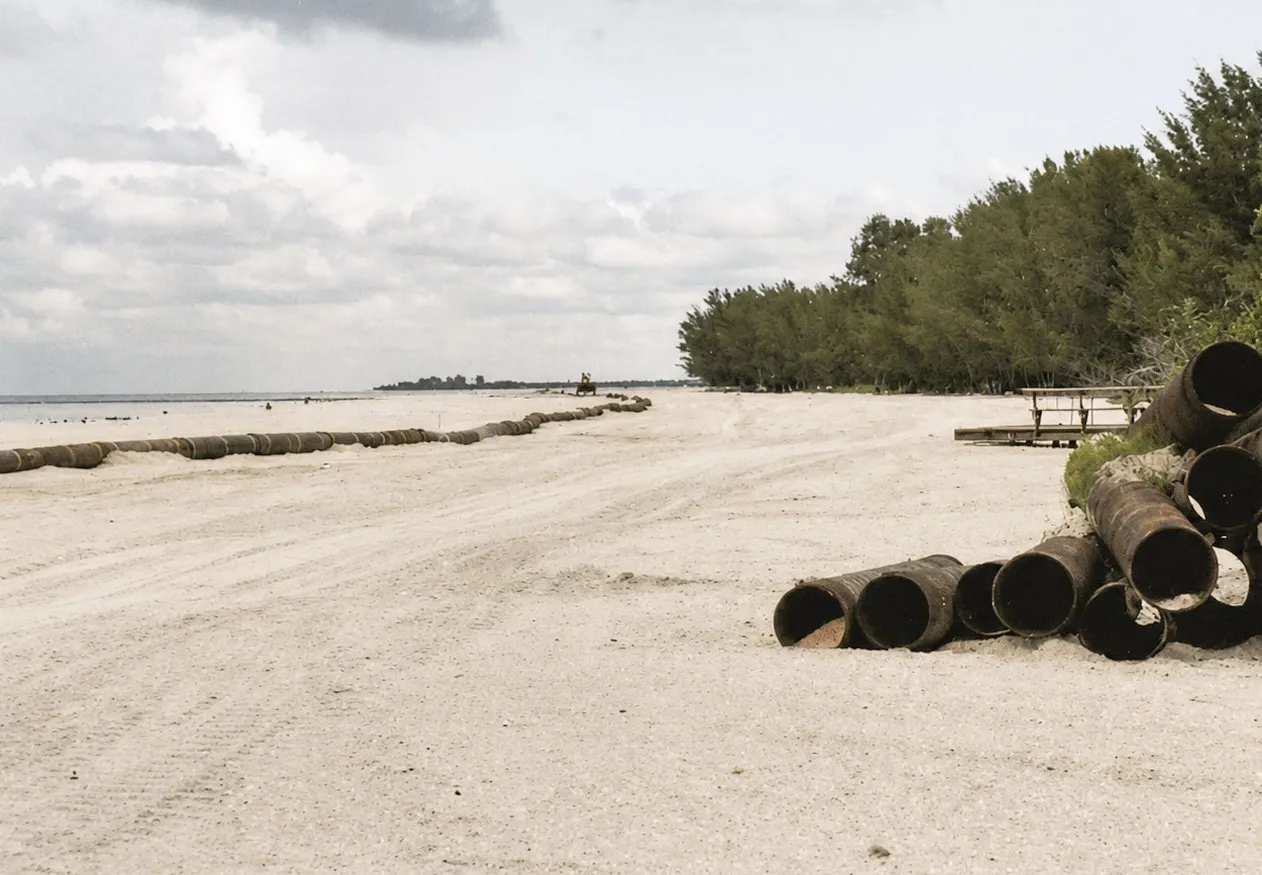
The Captiva Erosion Prevention District undertakes the island’s first beach-nourishment project. Founding commissioner Harold M. Bixby had also been one of the principal financial backers of Charles Lindbergh’s historic transatlantic flight.
1961
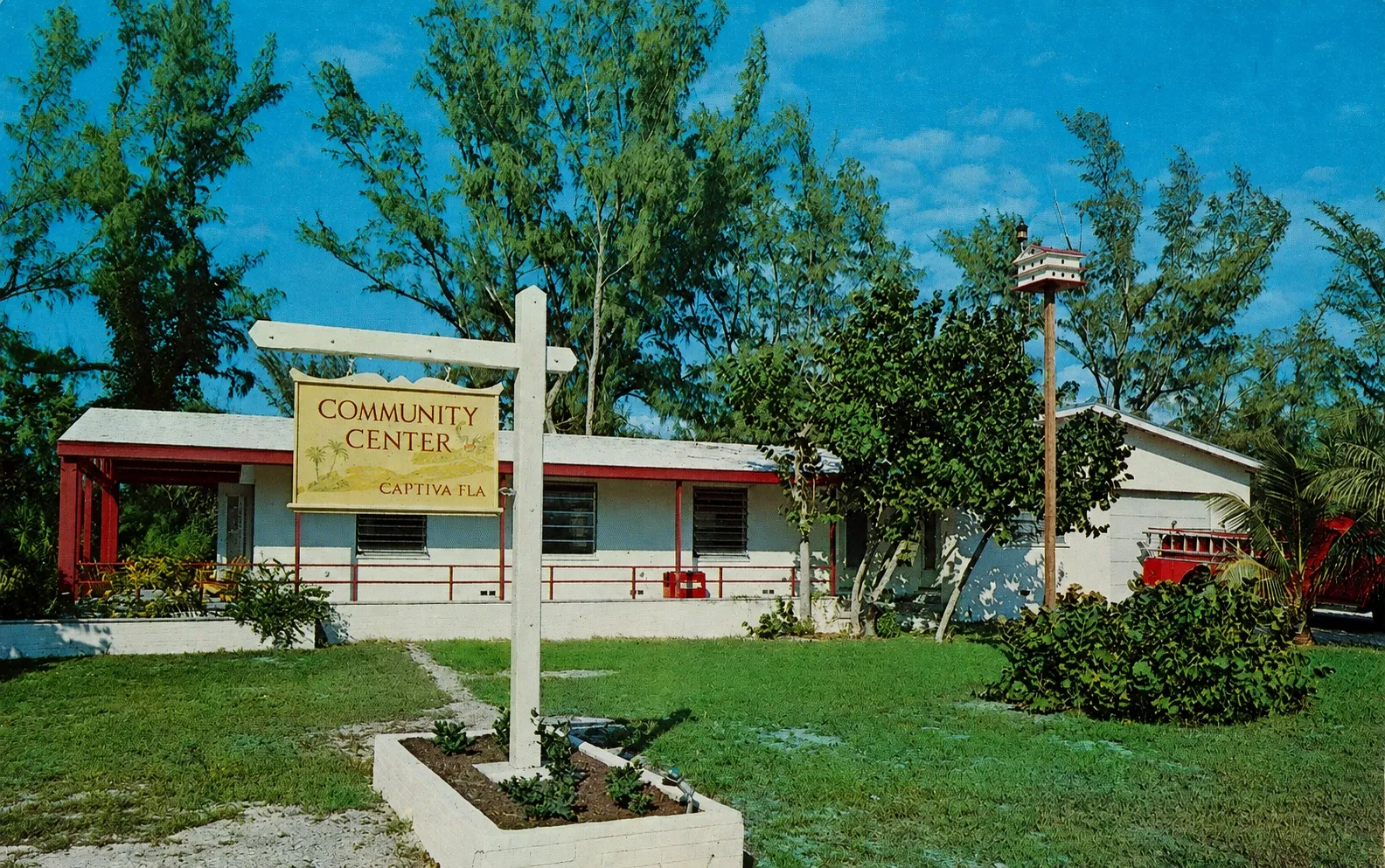
The Captiva Civic Association opens its first community center on Chapin Lane, in a building which also houses the island’s fire truck.
1961
The Captiva Island Company, principally owned by Alice O’Brien and John Oster, purchases South Seas Plantation from American Hotels (see 1942-1946).
1963
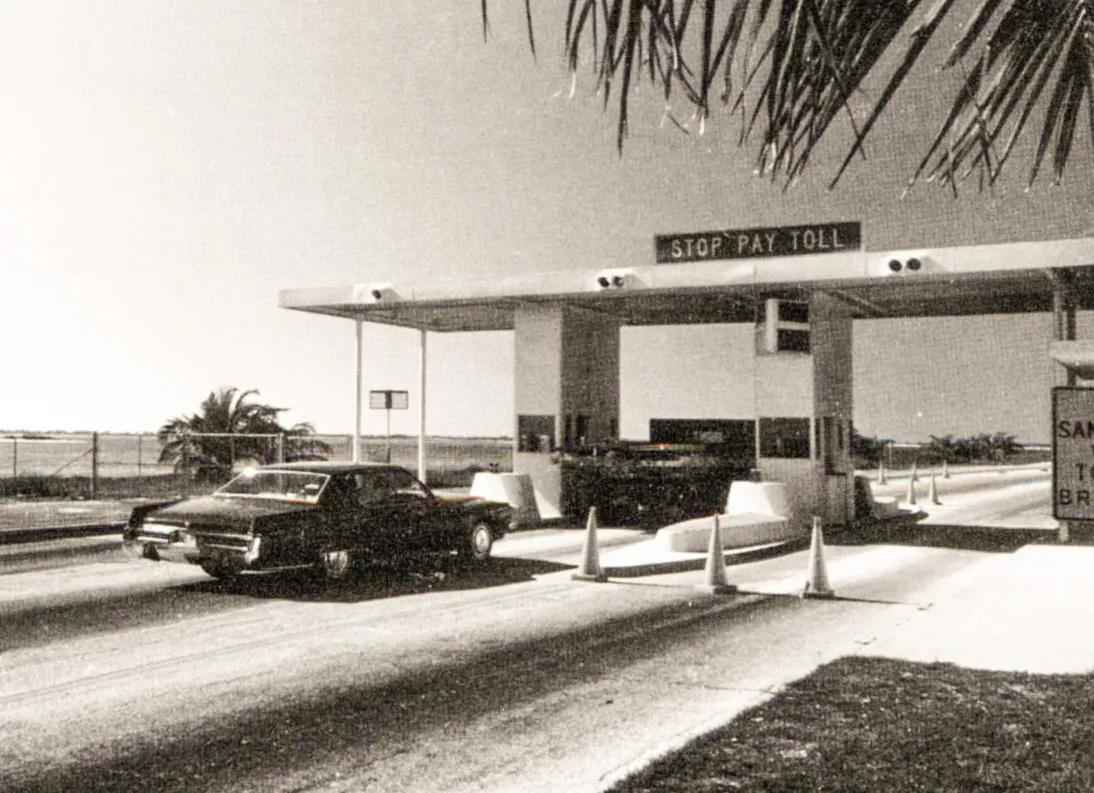
The Sanibel Causeway opens, connecting Sanibel and Captiva to the mainland by road and transforming island life, commerce, and tourism.
1970
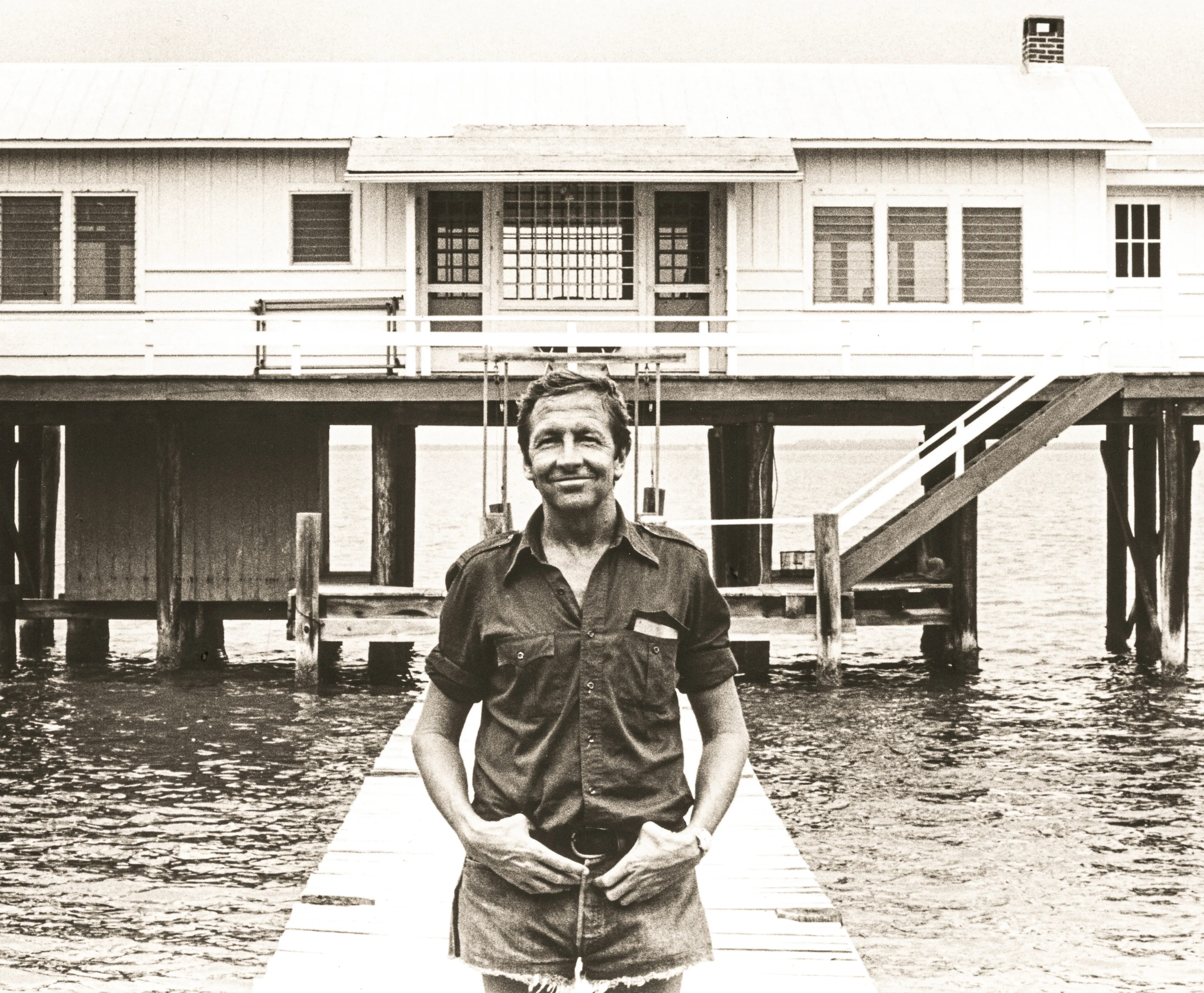
Acclaimed artist Robert Rauschenberg permanently moves from New York City to Captiva, establishing his home and studio on the island.
1972
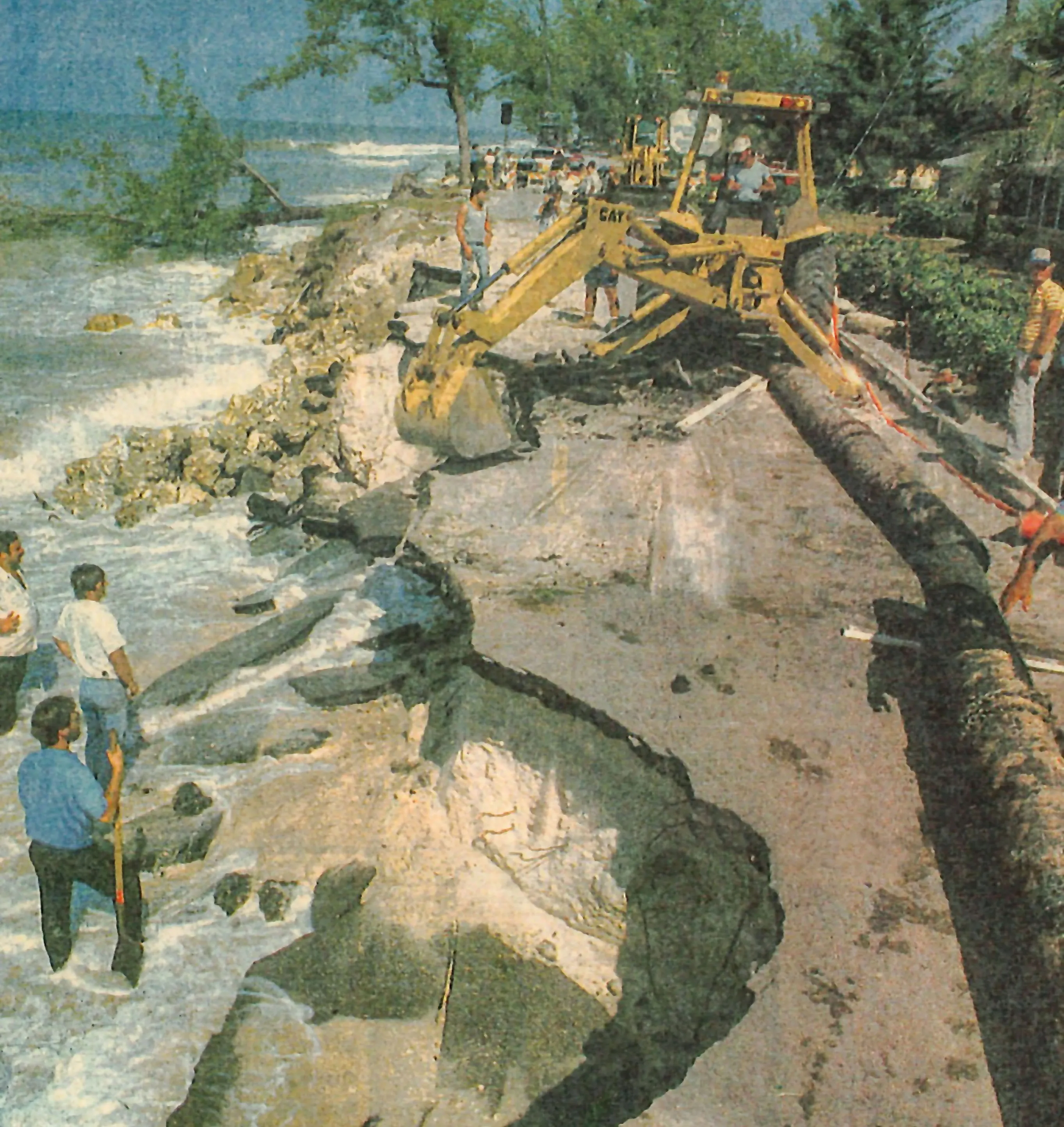
Tropical Storm Agnes washes away sections of Captiva Drive in front of ’Tween Waters Inn, temporarily severing the island’s only road connection.
1972
Mariner Properties purchases South Seas Plantation from the Captiva Island Company (see 1961) and begins expanding the property into a full-service resort.
1976
Lloyd A. Wright and a group of Rochester investors purchase ’Tween Waters Inn, beginning a period of restoration and expansion under Rochester Resorts.
1976
The Mayeron family helps transform the former Gulf View Inn into the Mucky Duck, which opens as Captiva’s beachfront neighborhood pub. Victor Mayeron became its longtime familiar host.
1977
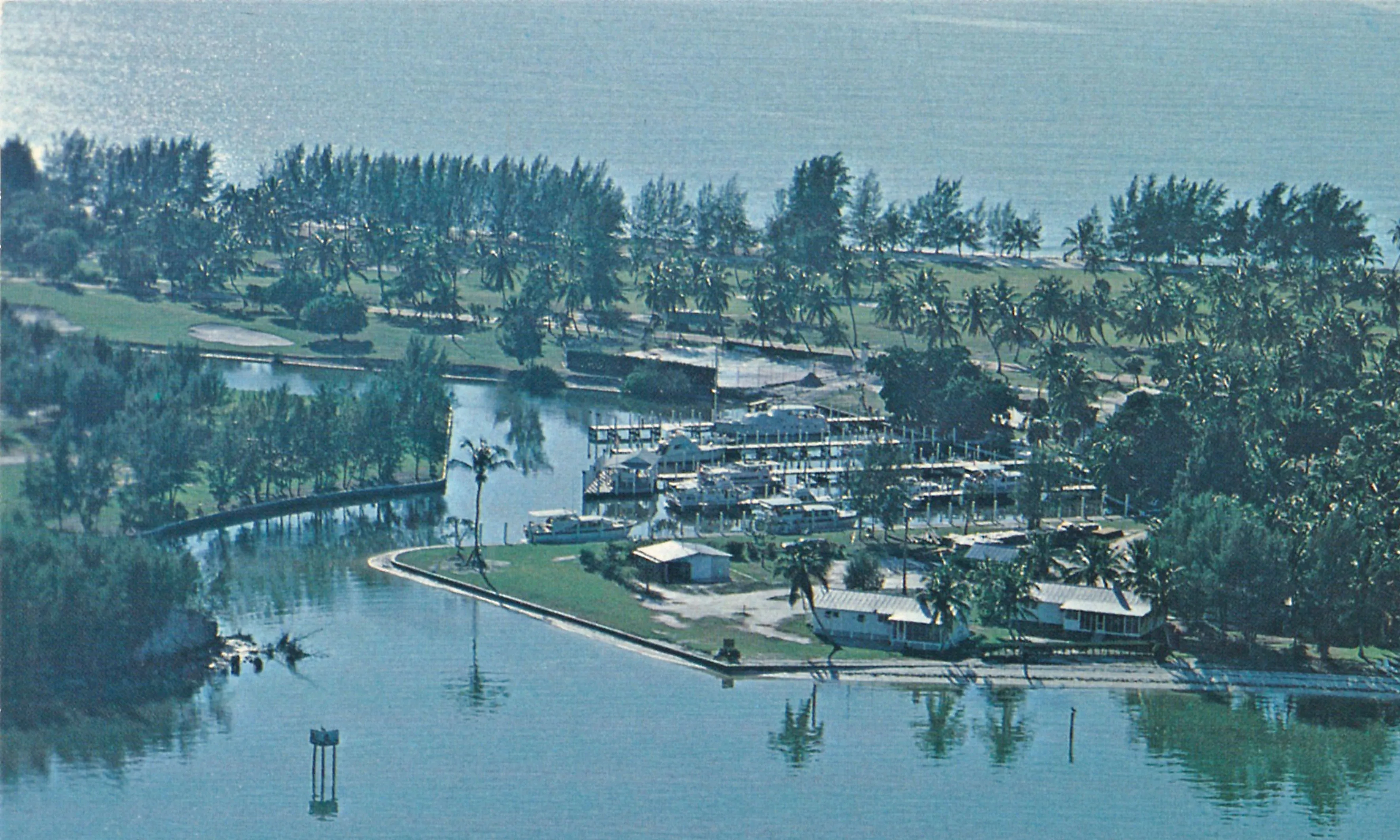
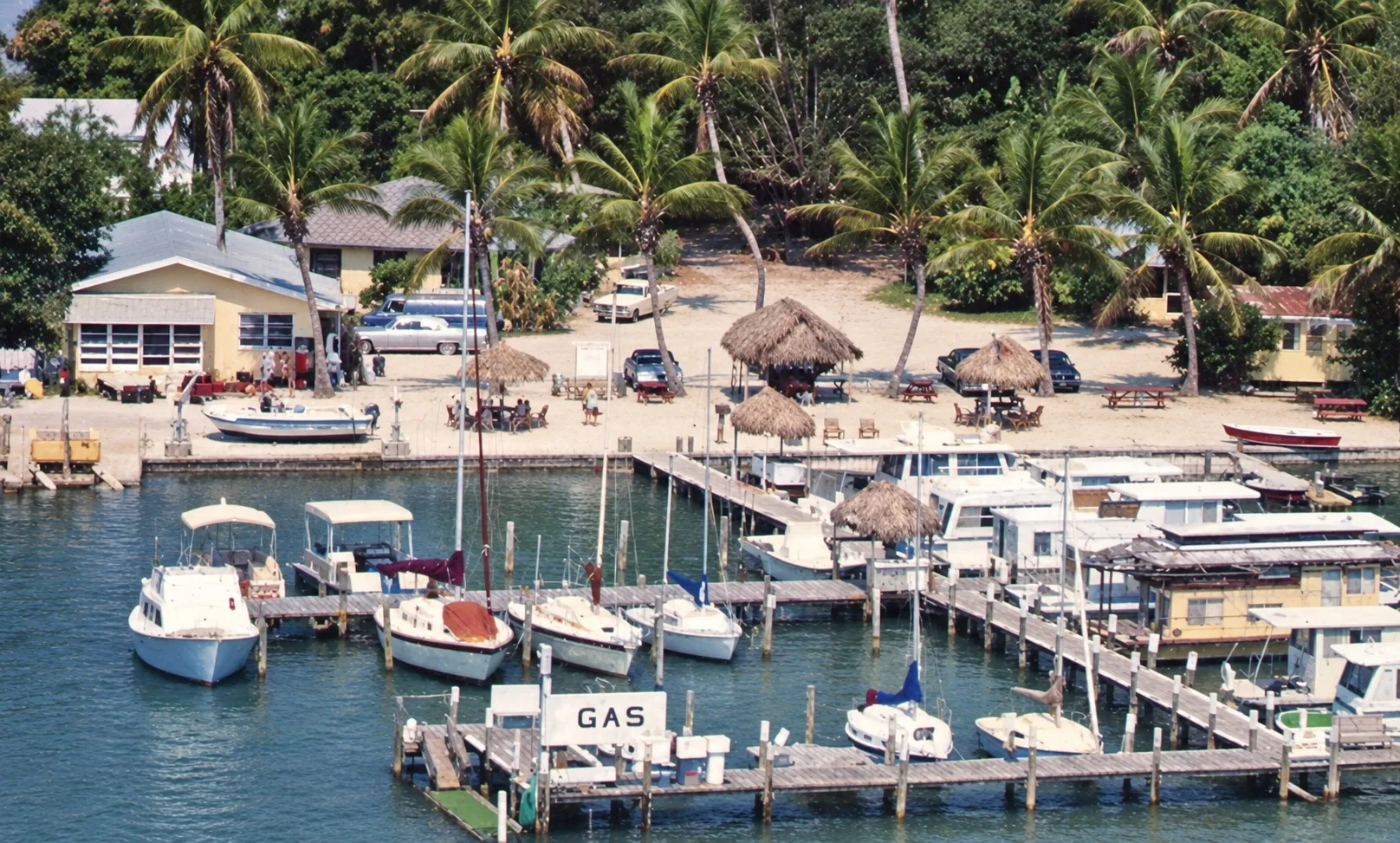
Richard “Red” and Betty Jensen take sole-ownership of Twin Palm Cottages, establishing Jensen’s Twin Palm Resort and Marina.
1979
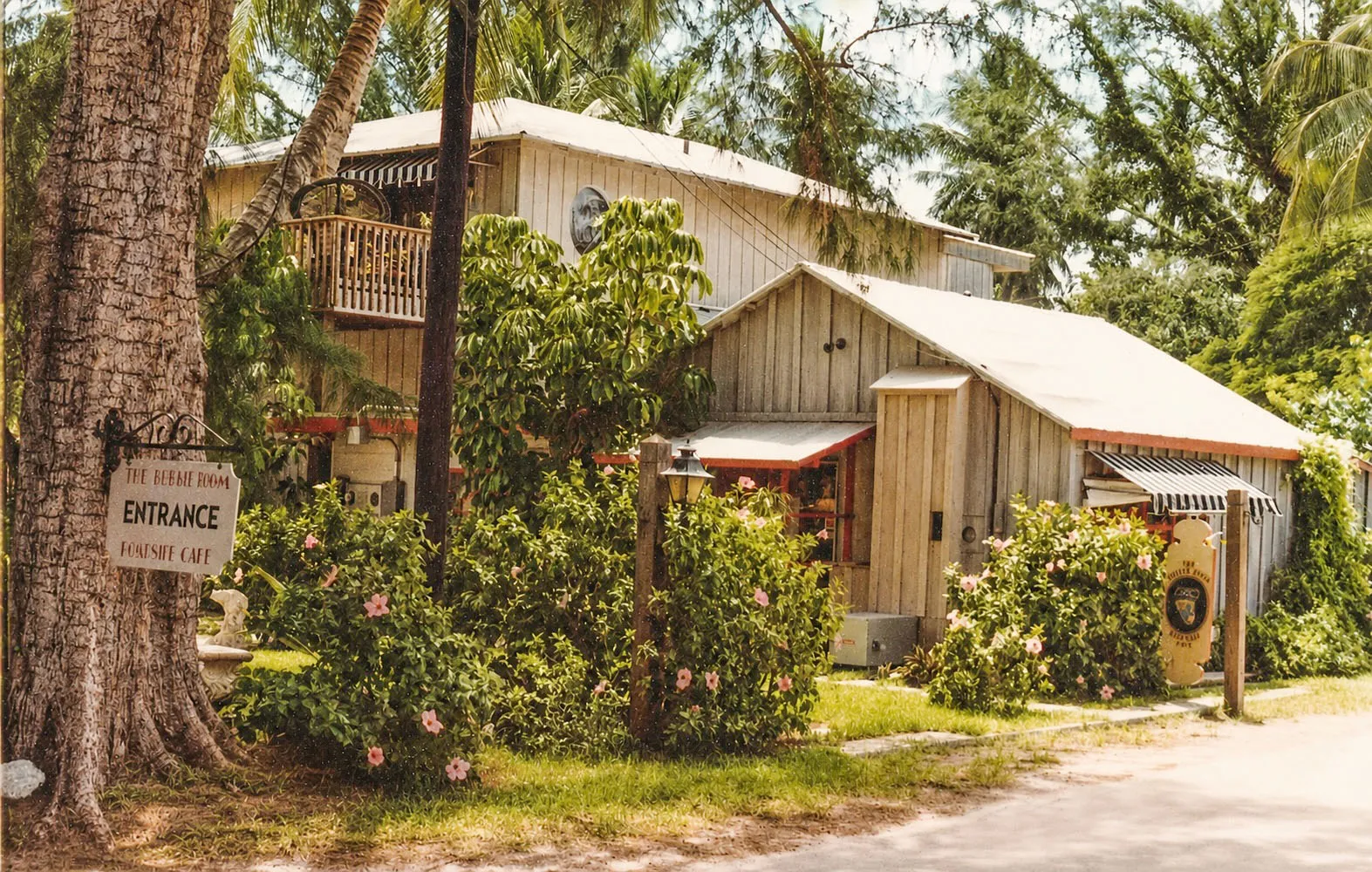
Katie Gardenia and her husband, Jamie Farqhuarson, open the Bubble Room, creating one of Captiva’s most imaginative and iconic restaurants.
1990
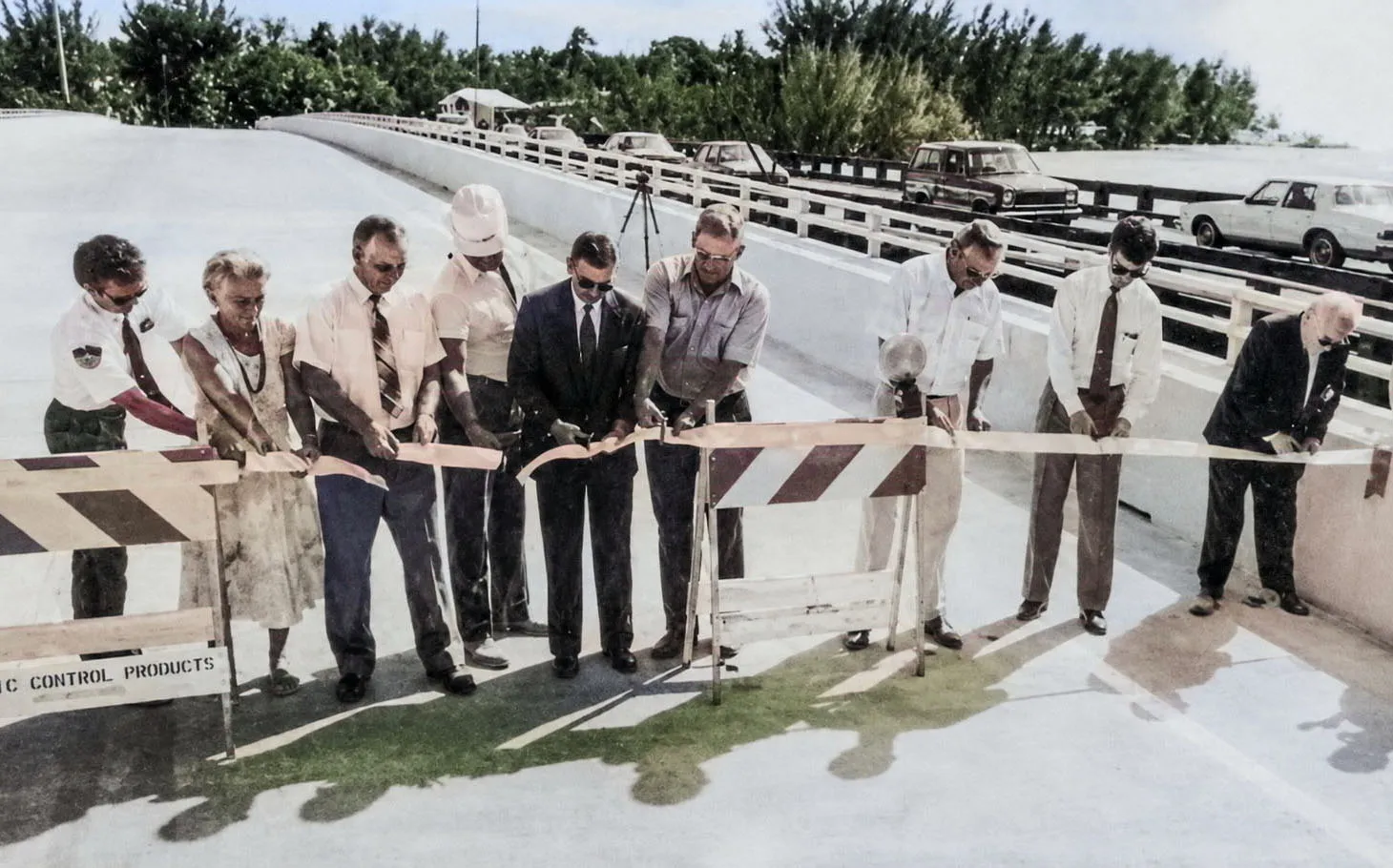
The present Blind Pass Bridge opens, the fourth, replacing the 1954 two-lane, concrete bridge that had succeeded the original wooden span of 1918 and its wooden replacement due to hurricane in 1926.
1991
Paul McCarthy purchases Andy’s Fishing Pier property (see 1940) and establishes McCarthy’s Cottages and Marina as the home of Captiva Cruises.
2000
Captiva enters the new millennium with 379 year-round residents—the island remains a small community shaped by fishing, hospitality, art, conservation, and its rich history.
Support
WAYS TO GIVE
Help us deliver our mission of gathering, preserving, interpreting and sharing the history of Captiva Island. We hope you will consider a gift to the CIHS.