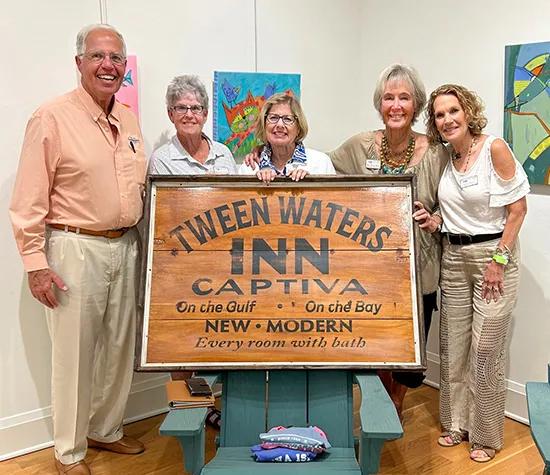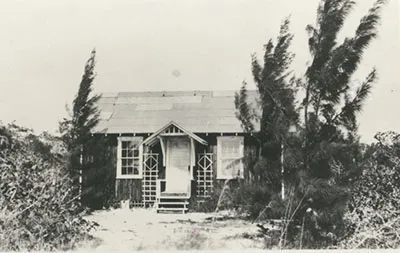
First 'Tween Waters Cottage
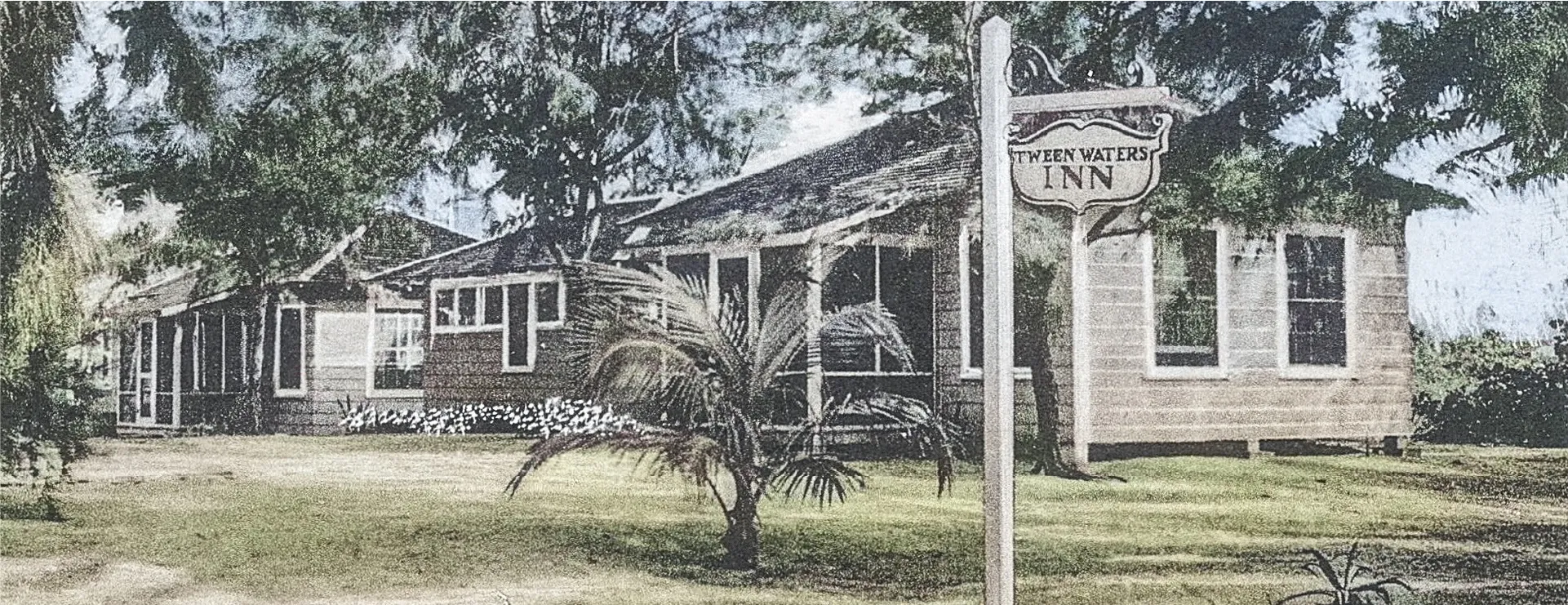
This was the cottage of Miss Fitzpatrick, the tutor for the Dickey children. Her cottage became the original building that Bowman and Grace Price acquired in 1931. Soon after, this and other cottages…
Upcoming Event
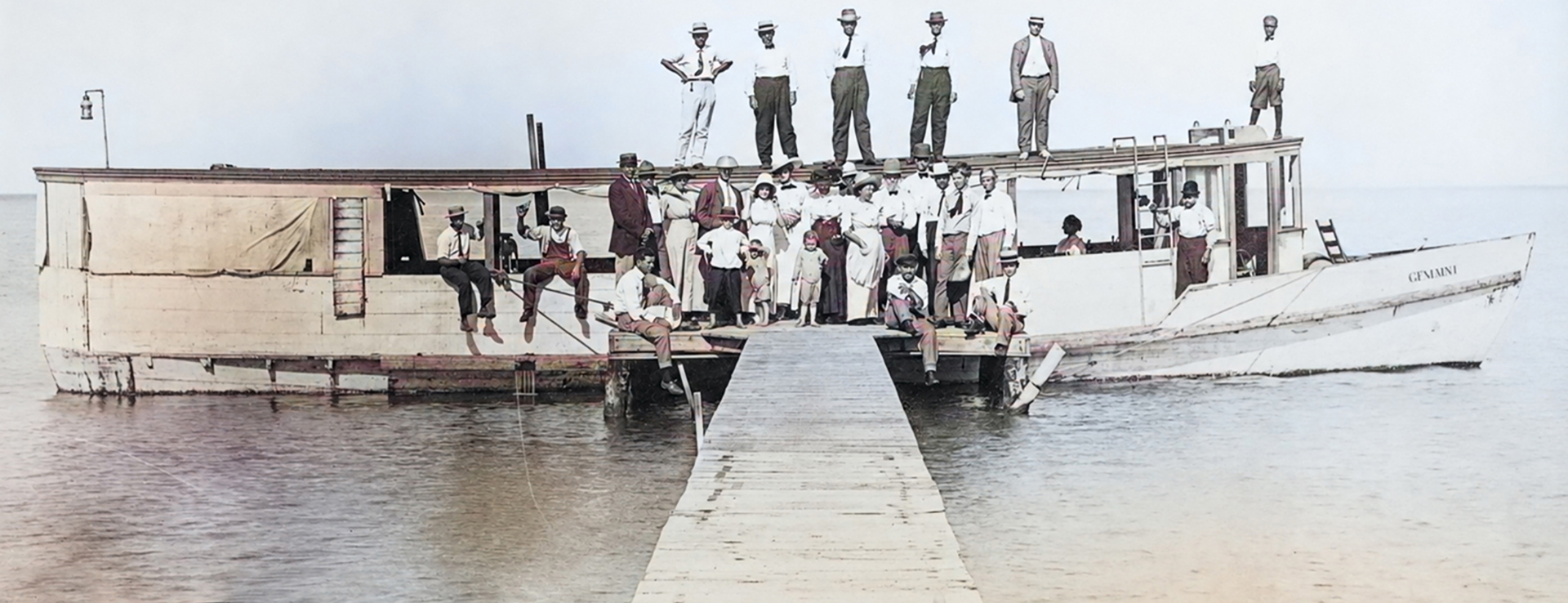
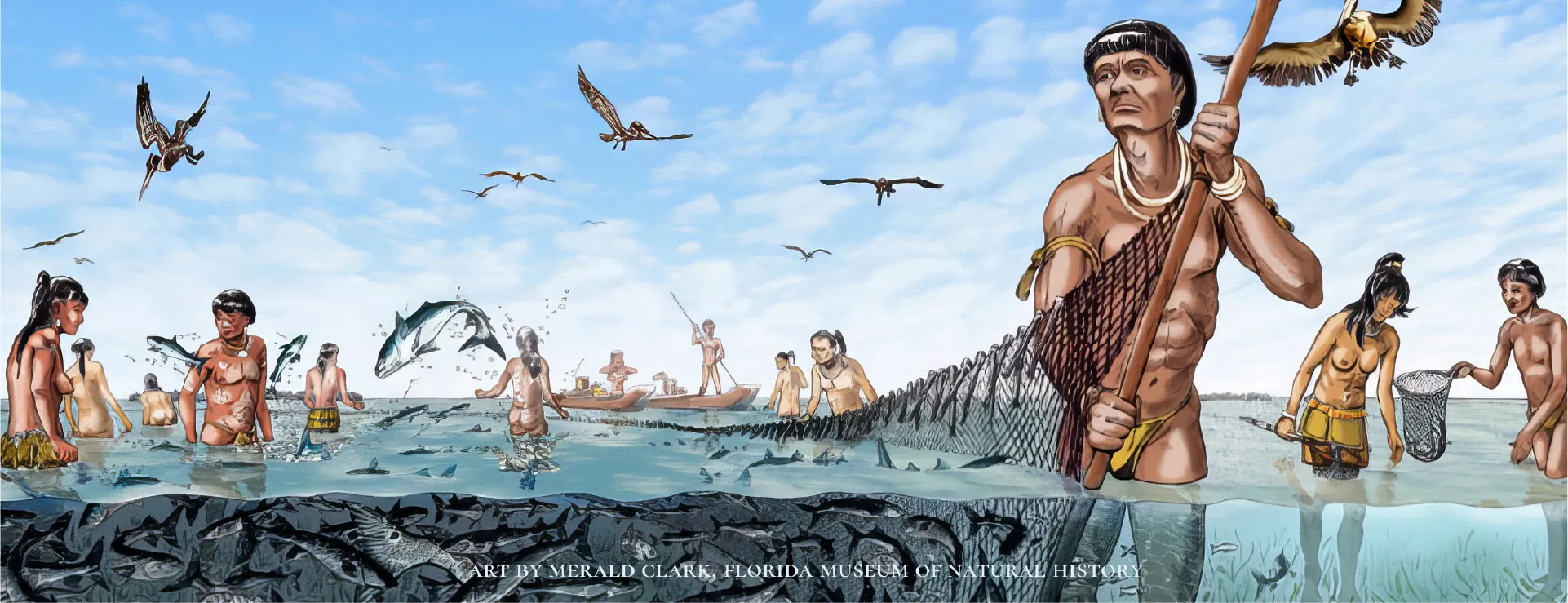
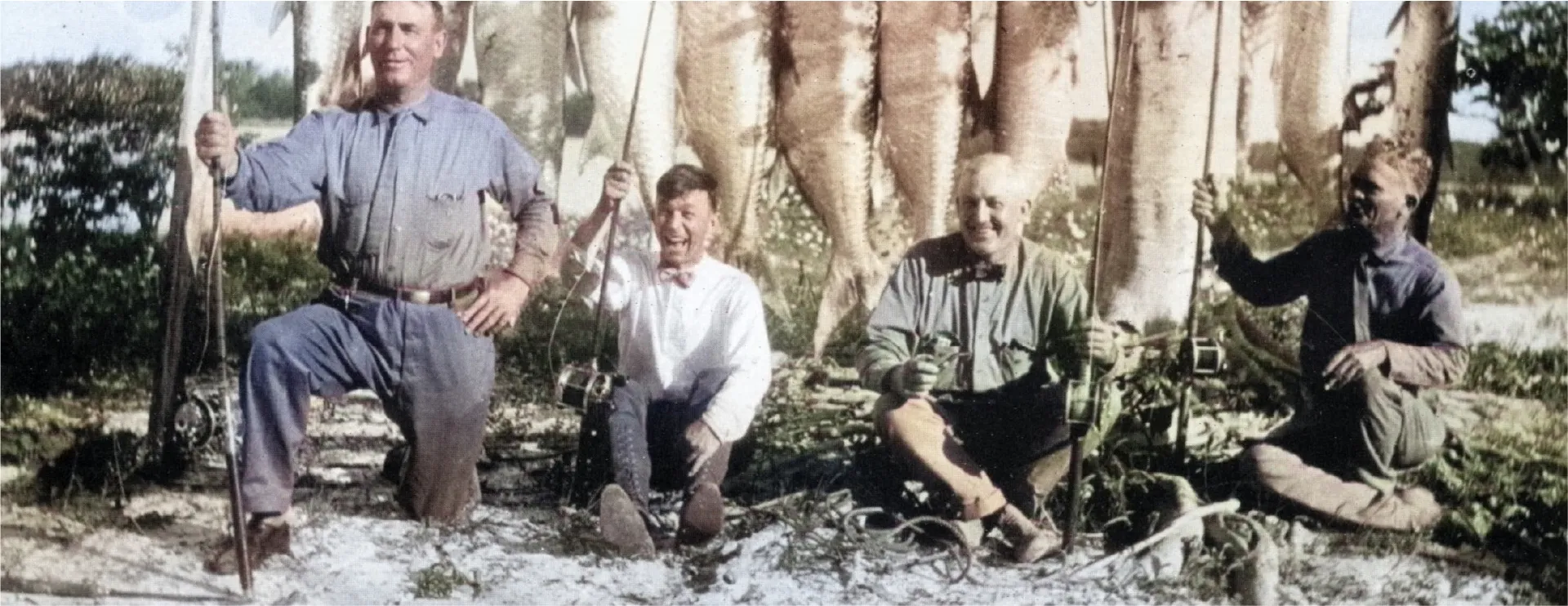
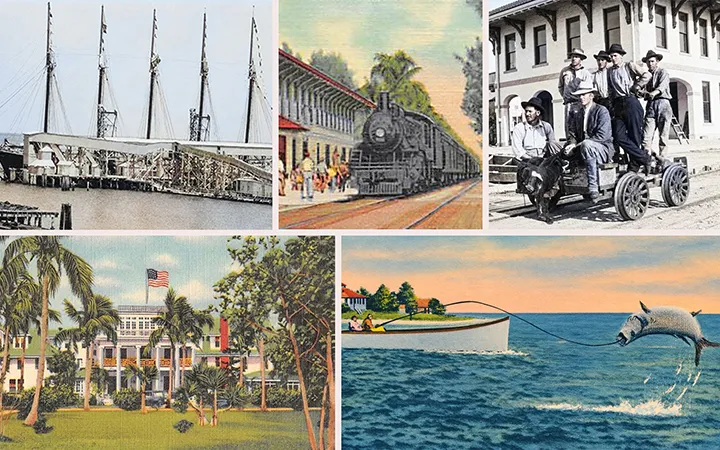
Journey with us to Boca Grande and discover how Spanish explorers, Cuban fishermen, phosphate shipping and legendary tarpon fishing shaped the island.

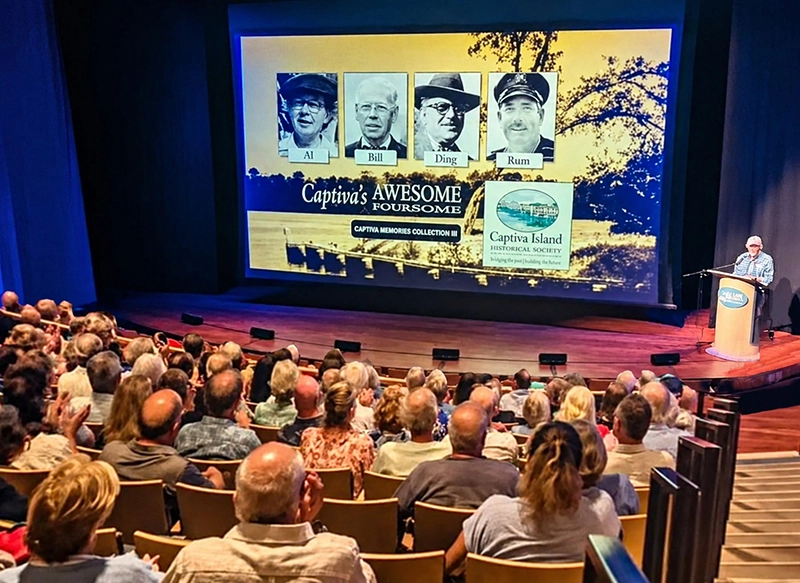
CIHS Documentaries
Discover Captiva’s past through documentaries produced by the Captiva Island Historical Society, featuring firsthand accounts of the people and events that shaped the island’s rich history. Watch them all free on YouTube.

Captiva Island History Quiz
Clue:
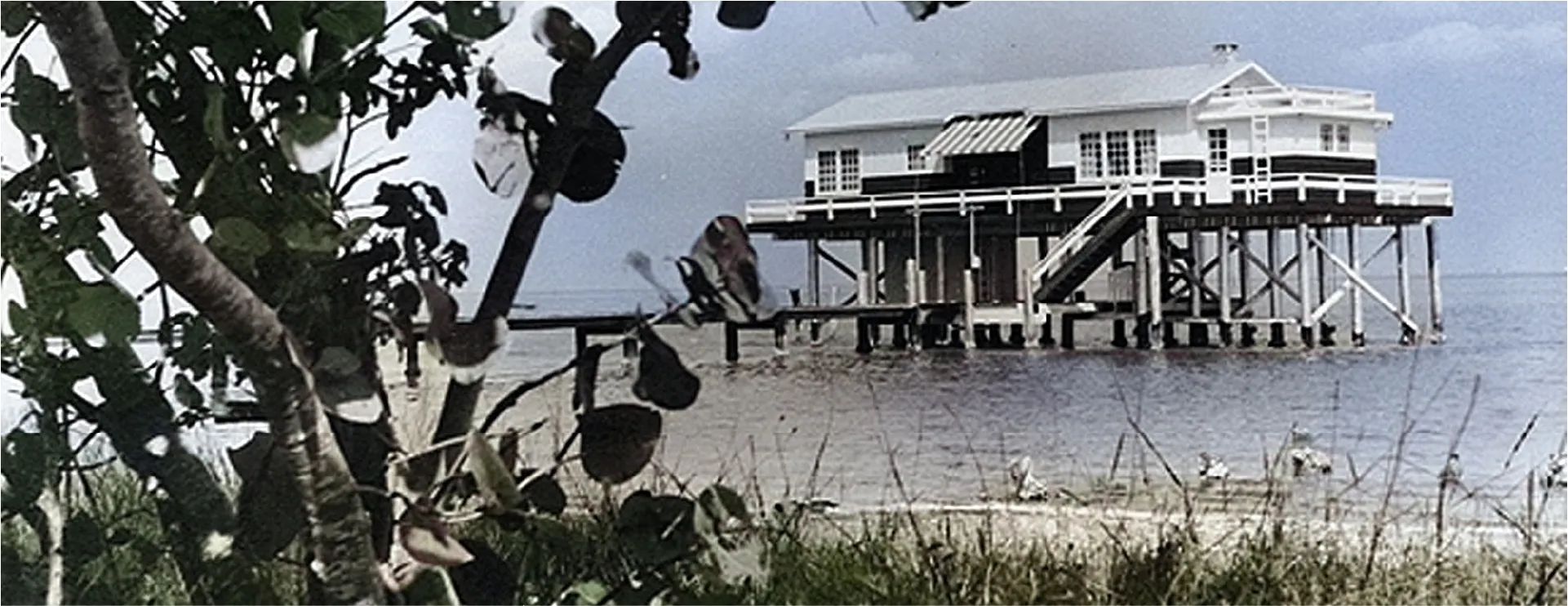
The building had a practical purpose long before it welcomed diners. What was it?
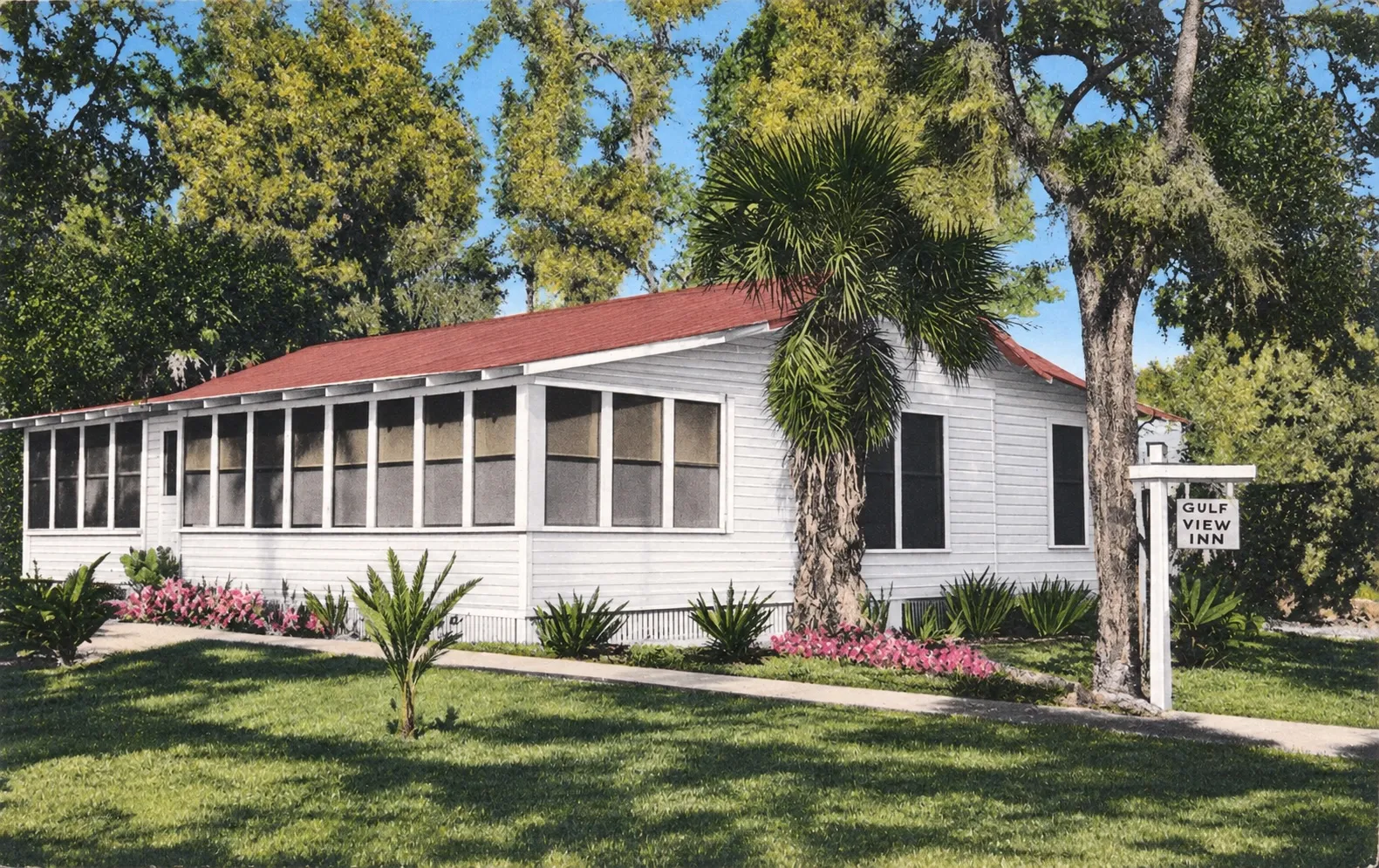
The building had modest beginnings, constructed in 1924 as a two-room beachside dressing room for the bayside Fisherman’s Lodge. James and Signe Wightman purchased it in 1927, and soon began serving meals to Captiva’s winter residents in their beachfront home.
The Wightmans later acquired cottages to provide accommodations for guests, and their home became the public dining room, which they operated as the Gulf View Inn from 1931 to 1946.
Three decades later the dining room of the Gulf View Inn would become a portion of the restaurant familiar to generations of island residents and visitors: The Mucky Duck.
Please try again. If you're unsure of the answer, perhaps visit Link to the Past on this website
EXPLORE OUR HISTORY
Explore Captiva’s past through vintage photographs and the stories of the people, places, and events that shaped the island’s history.
This was the cottage of Miss Fitzpatrick, the tutor for the Dickey children. Her cottage became the original building that Bowman and Grace Price acquired in 1931. Soon after, this and other cottages…
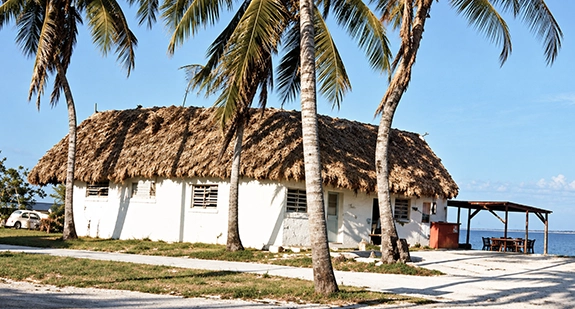
This was a different look for Timmy’s Nook in 1971. Now the site of the Green Flash Restaurant on the S-curve of Captiva Drive, while under the management of Buzz and Patsy (Wiles) Murphy, Timmy’s…
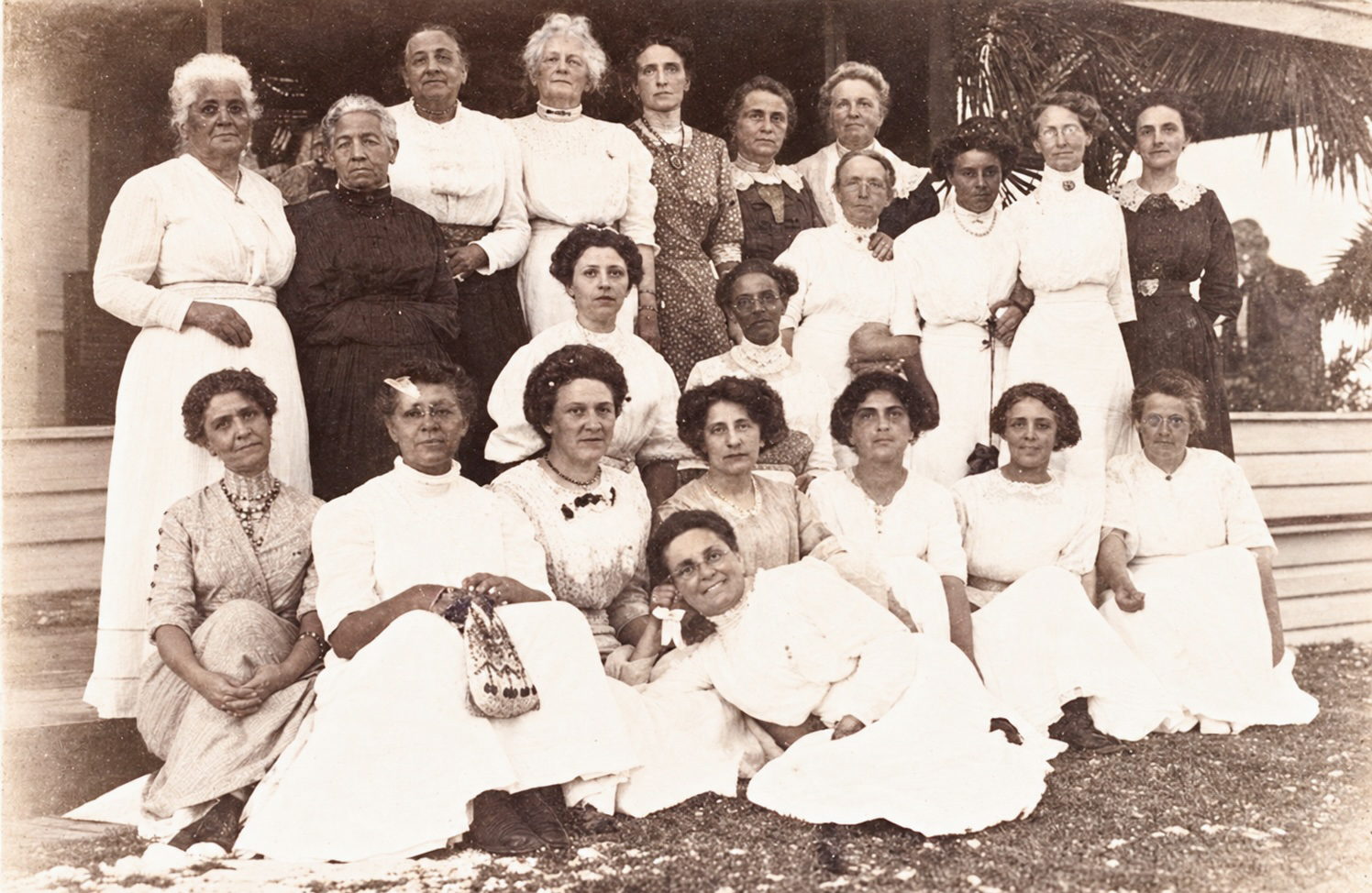
Women at a party at the home of Dr. and Mrs. John R. Dickey, the first winter home built on Captiva in 1906.
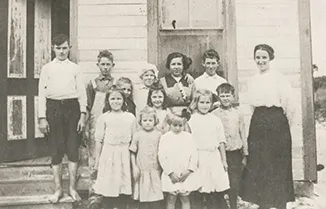
In 1901 William Herbert Binder, the first homesteader, donated this portion of land for construction of a one-room schoolhouse; attended by students from Captiva, Buck Key, and Sanibel. The building…
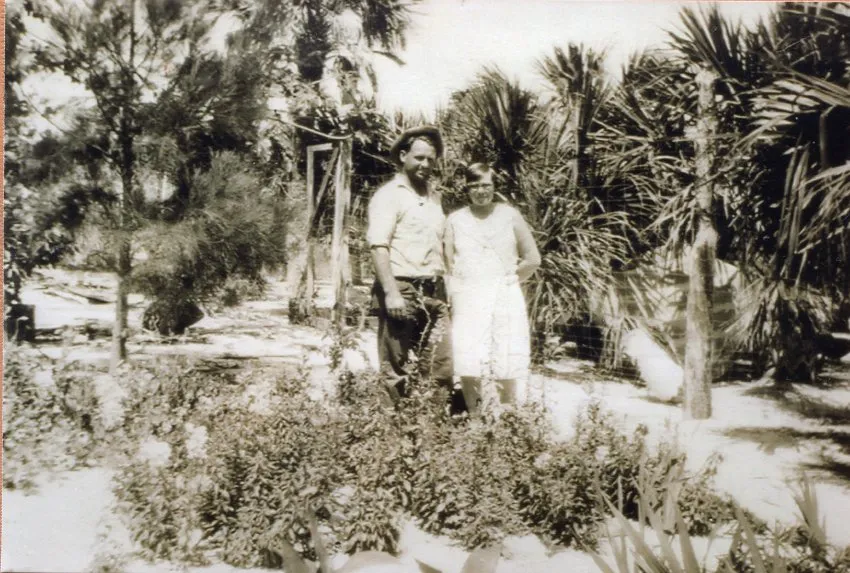
James and Signe Wightman in the 1920’s. The eventual owners of the Gulf View Inn, now the Mucky Duck.
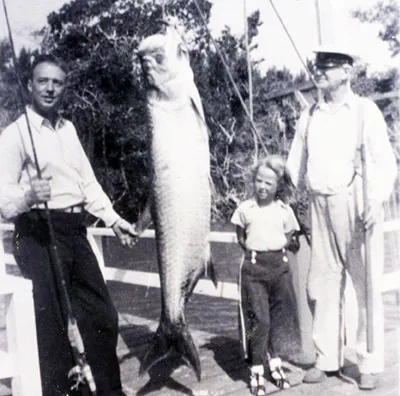
This image features "Buzz" (F. Bowman) Price, his daughter, Dorothy Price (Dottie Wakefield) and Captain Stran after catching a huge tarpon in the early 1900's. Price and his wife, Grace, established…
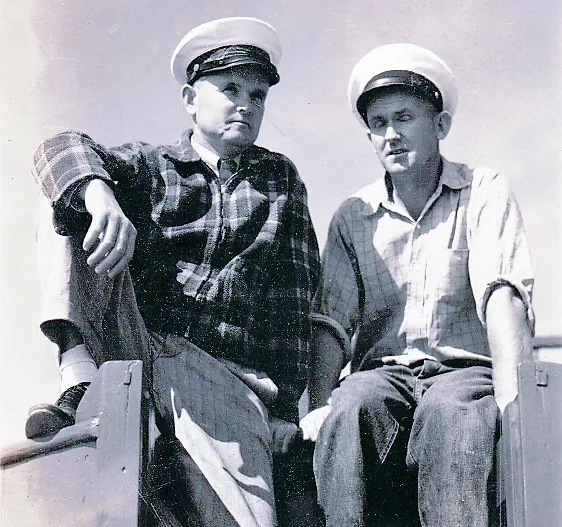
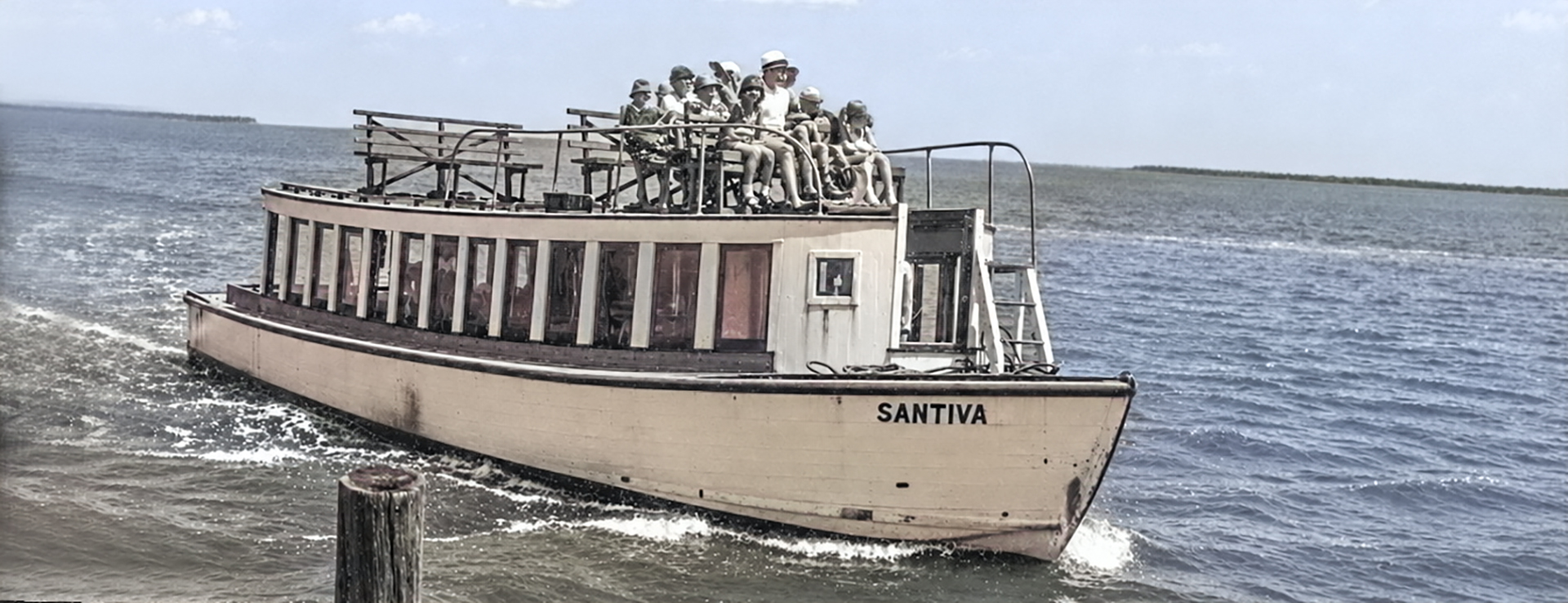
The Singletons were owners/operators of the mailboat Santiva from 1936-1952. The captain was fined 3-days pay if the boat was late. In all its years the “Santiva” missed just a handful of trips due to…
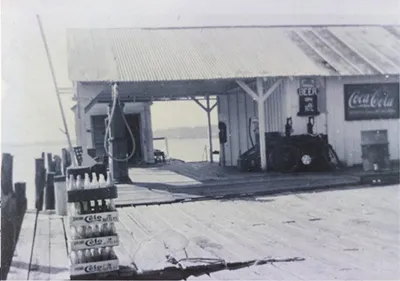
Andy Rosse's dock in a pre-1940s photo. Andy's dock was located on the current site of McCarthy's Marina at the end of the street now named for the colorful Mr. Rosse.
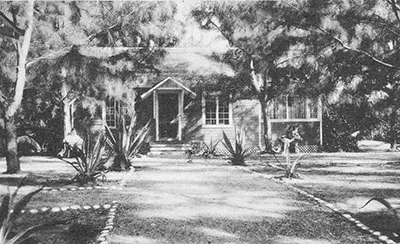
This is a picture of the main cottage at 'Tween Waters in the 1930s. Grace Price and her husband F. Bowman Price purchased the property in 1924, and was first known as Price's Cottages. They came to…
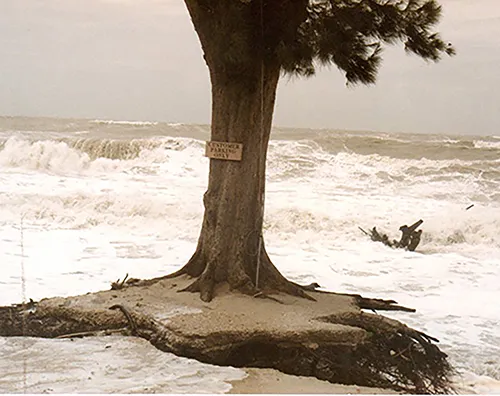
Photo of the Mucky Duck parking lot at the height of Tropical Storm Bob in July of 1985. Bob hit the southwest Florida Gulf coast as a tropical storm before turning north and intensifying as a…
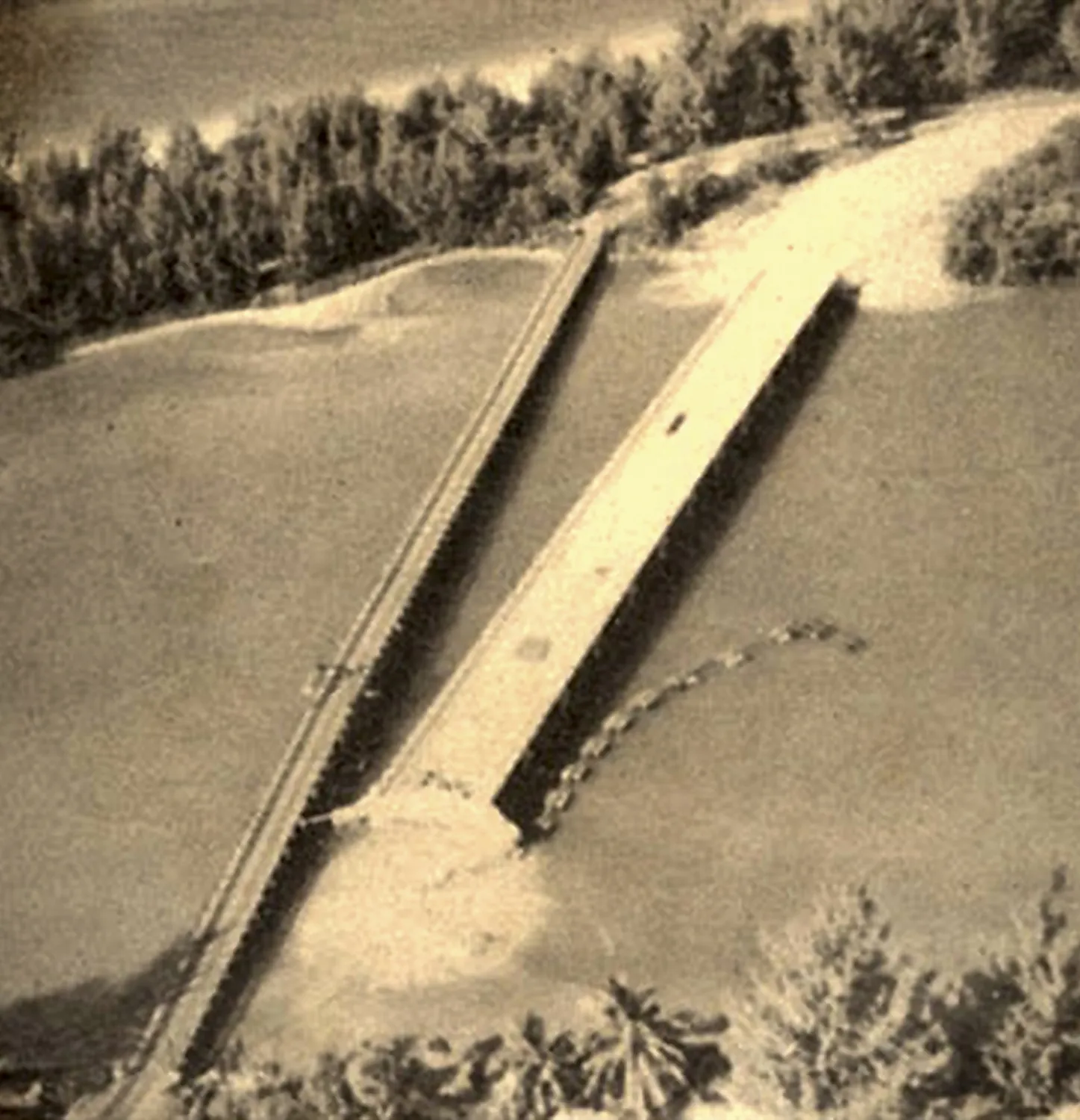
This photo features the new replacing the old. The old wooden Blind Pass bridge between Sanibel and Captiva is quite a contrast with the new concrete bridge. In this photo from 1955 the new bridge is…
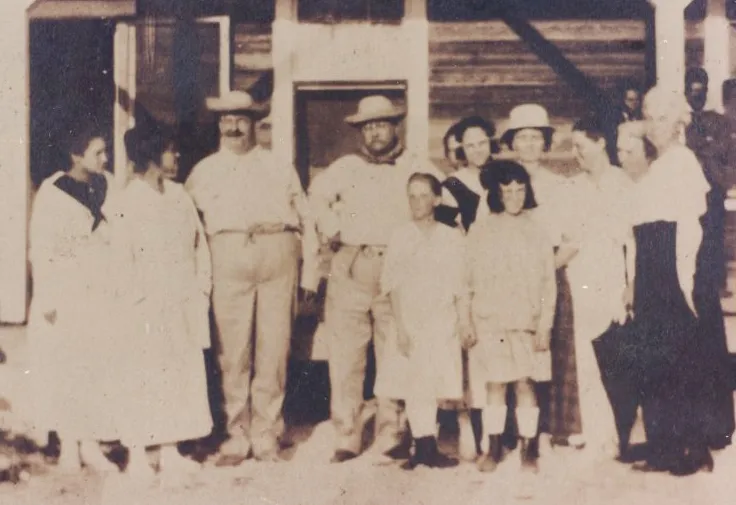
In this 1917 photograph, President Theodore Roosevelt (fourth from left) on a visit to the Snyder School for Boys during his fishing expedition to Captiva for devil fish.
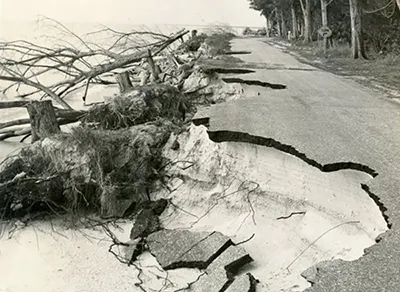
On Friday morning, June 18, 1982 crashing waves and surging stormwaters from the "No Name Storm" struck Captiva, washing away chunks of the road in front of 'Tween Waters Inn, temporaily wiping out…
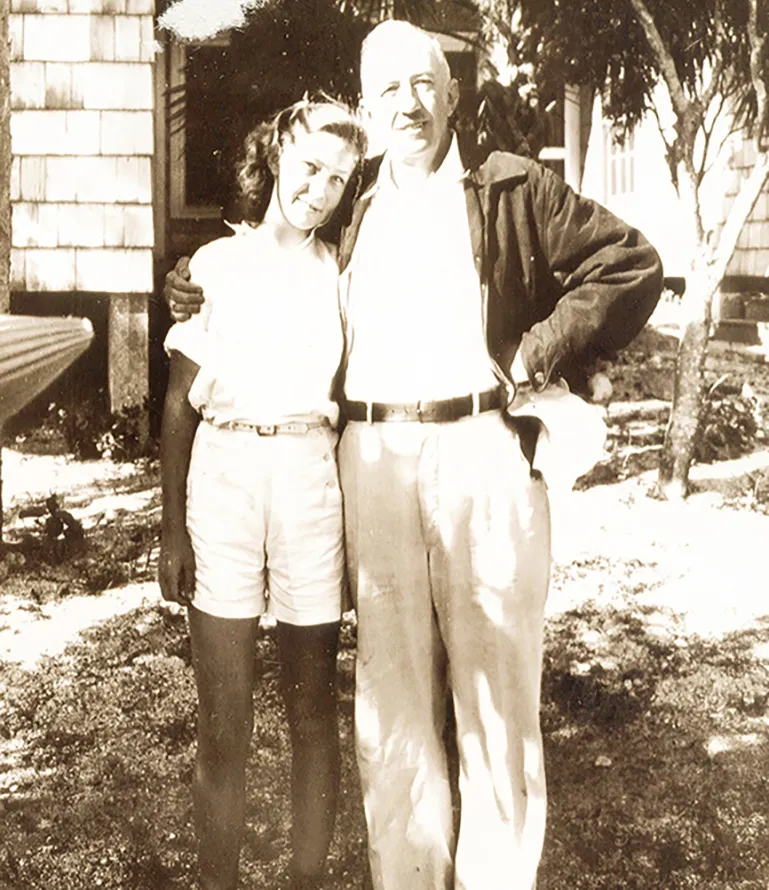
In 1924, Bowman and Grace Price purchased property on Captiva from John R. Dickey. This property included a small cottage belonging to the Dickey children’s tutor, Reba Fitzpatrick. Then they built a…
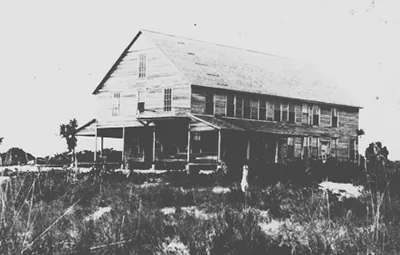
This photo is the Dickey Hotel, built in 1911. The hotel was leased by the Snyder School For Boys and burned down in 1935. It was also owned by the Eybers. Belton Johnson built his first house on the…
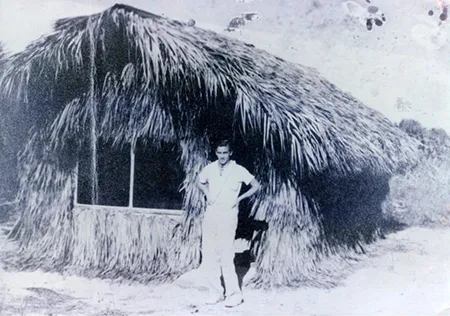
In this image from the early 1950s, Bill Shannon is in front of his palm frond house. He and his wife, Mae, opened the Sunshine Cafe on Palm Avenue (currently Andy Rosse Lane) on Captiva in 1951.
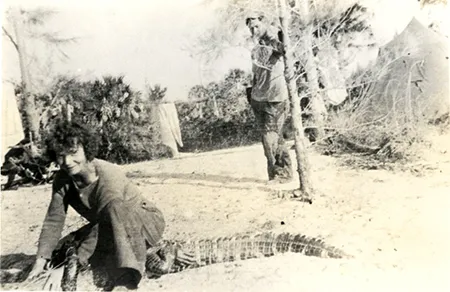
This is an image of Ina Watson on Captiva Island restraining one of her "watchdog" alligators that she caught. Ina Watson and her son Paul maintained a camp site on Chadwick's South Seas Plantation.…
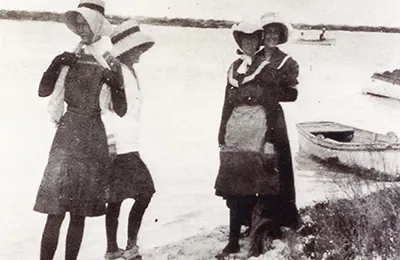
This photo features a picnic at Blind Pass in the early 1900s. Note the wool clothing. Mrs. Dickey is pictured on the far left.
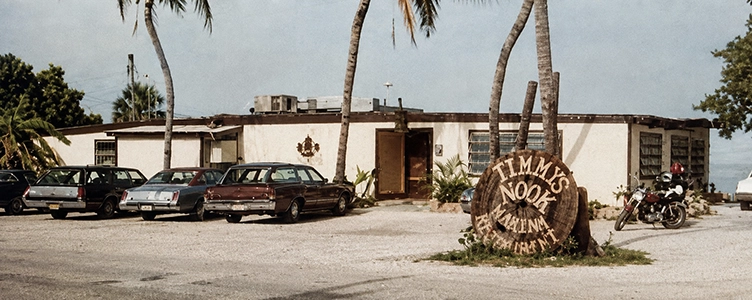
This image is a 1966 snapshot of Timmy’s Nook. From 1952 to 1994 Timmy’s Nook was a renowned gathering place frequented by natives and tourists alike. In 1994, under new ownership, Timmy’s was rebuilt…
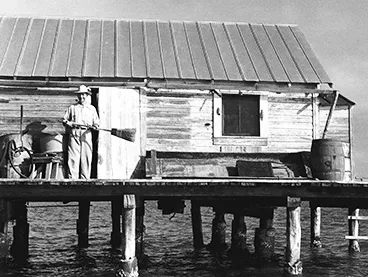
This photo is Bill Stevens at his fish house taken by locally renowned photographer Charlie McCullough in 1949. Bill Stevens worked for the Punta Gorda Fish Company. The local fisherman would bring…
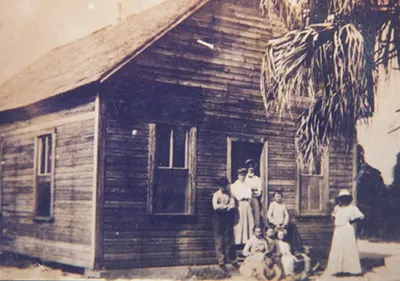
This image is the first schoolhouse on Captiva, established in 1901 by William Herbert Binder. The building is now the Captiva Chapel by the Sea. The school was attended by students who lived on both…
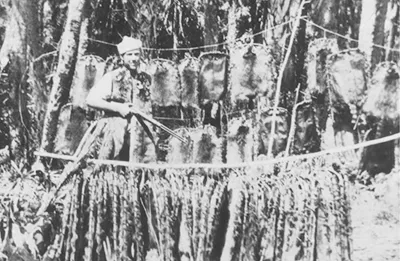
David Wightman is pictured harvesting raccoons on Captiva in 1919. The Wightman family arrived on the islands in 1917.
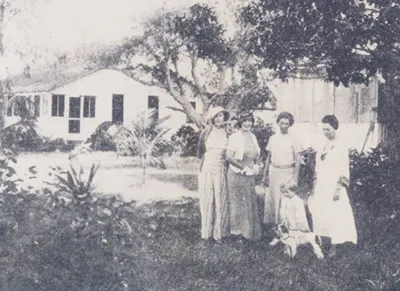
This photo features Mrs. C.B. Chadwick, family and friends near one of their cottages at South Seas Plantation, sometime after 1923.
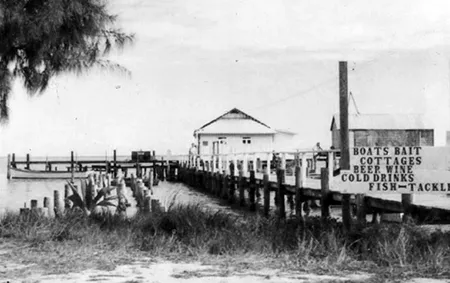
This photo is Andy's Dock, showing the pilings from Randall's City Dock on the left. Randall's Dock dates back to the early 1900's, when it was the original steamboat and mailboat dock. In the 40's,…
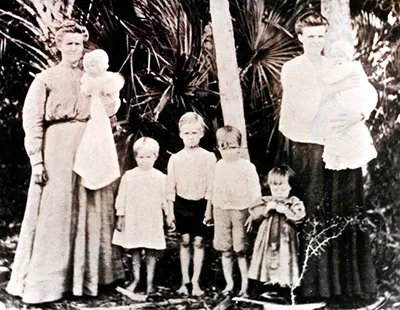
This photo, circa early 1900s, of Hattie Brainerd (left) with daughter-in-law Mae Brainerd, and several island children that Hattie perhaps delivered. Hattie Brainerd, who later married Alvin Gore,…
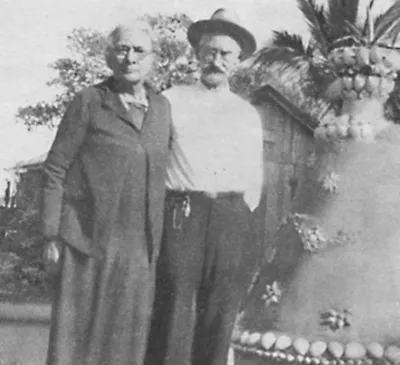
This photo is Hattie and Alvin Gore, Hattie's second husband, by a shell fountain near the Gore Hotel on Captiva. The post office was located at the front of the hotel, and Hattie was the second…
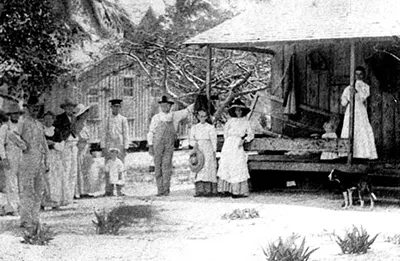
This is the Elias Knight Carter home on Captiva, location unknown. Elias Carter was a descendent of George Washington Carter, one of the first homesteaders on Captiva. The Carters farmed land from…
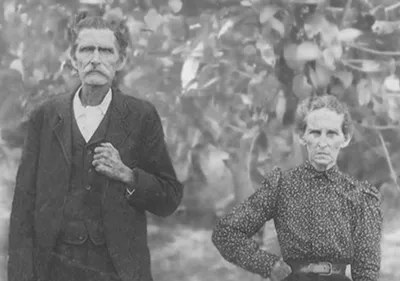
This is an image of George Washington Carter and Elizabeth Carter. He was a Civil War veteran from Georgia and one of the first homesteaders on Captiva. They had five children, and primarily fished…
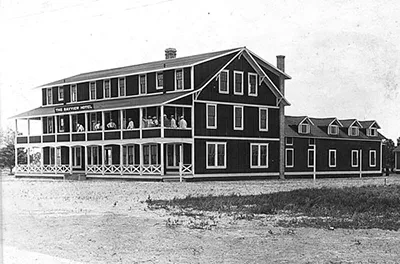
The Bayview Hotel, later named Fishermans Lodge, the Captiva Lodge, then Captiva Hotel depending on who the owner was at the time. It was originally built by F.A. Lane in stages from 1911 to 1915. It…
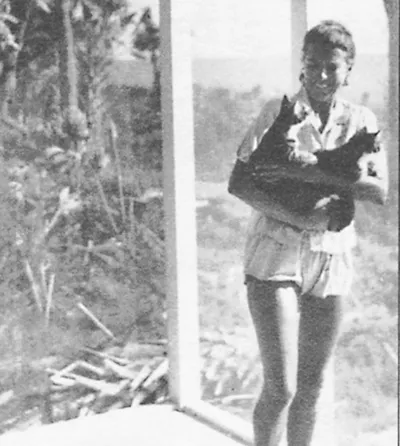
This image is Maybelle Stamper with two cats owned by her friends, the Weeks family. Stamper, a modern artist and lithographer lived and worked on Captiva Island for more than 50 years.
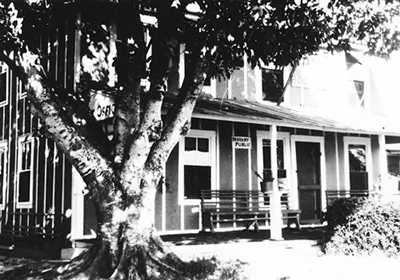
This photo features The Gore Hotel with the Post Office addition in the front, circa early 1900s. This was the Gore residence on Captiva. Owners Alvin and Hattie Gore ran a tourist camp there called…
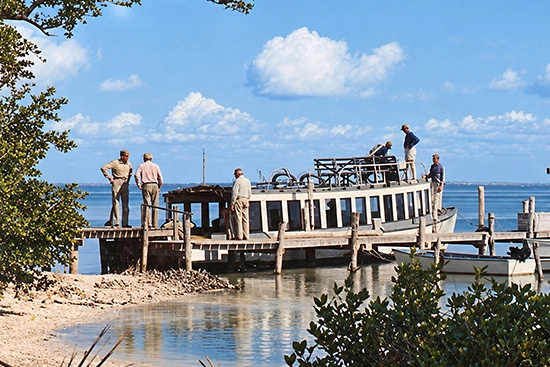
The mailboat 'Santiva' docked at the old post office landing at the Gore hotel, pre 1940. The Gore Hotel was located on the property that eventually became Timmy's Nook, now the Green Flash…

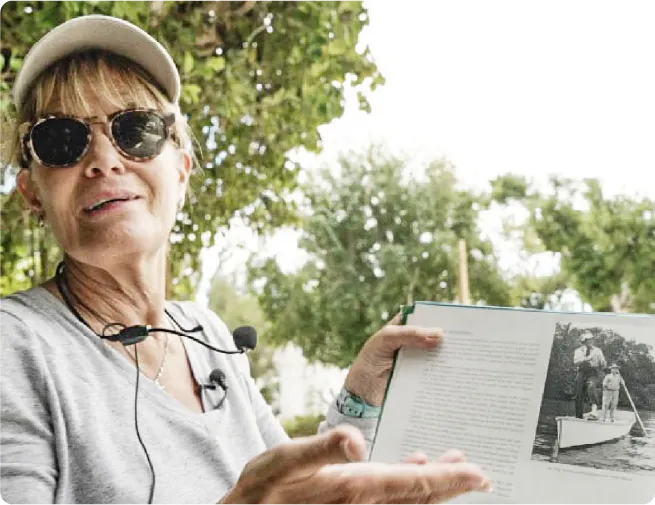
Historic Landmarks Walking Tours
DOCENT-LED, SELF-GUIDED AND ONLINE WALKING TOURS
Explore Captiva’s past through vintage photographs and the stories of the people, places, and events that shaped the island’s history.
Visit Our History Gallery
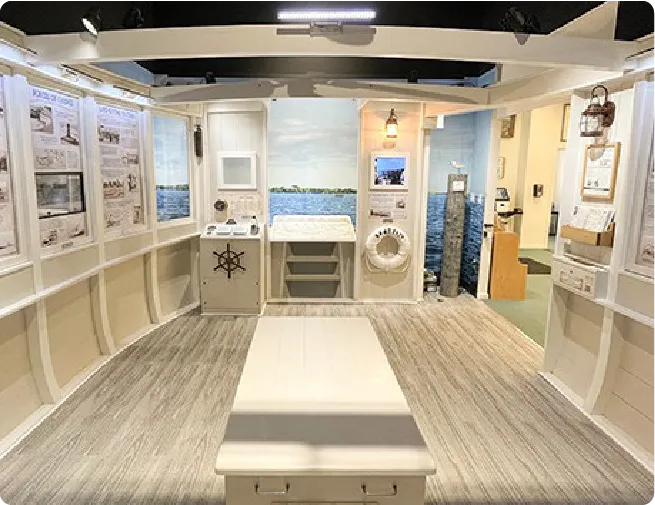
Climb aboard a replica of the mailboat Santiva at the CIHS History Gallery and journey back to a time when mailboats carried passengers, mail, and provisions to Captiva and Sanibel.
Located in the Captiva Memorial Library, 11550 Chapin Lane, Captiva, and accessible only during library operating hours.
Link to the Past
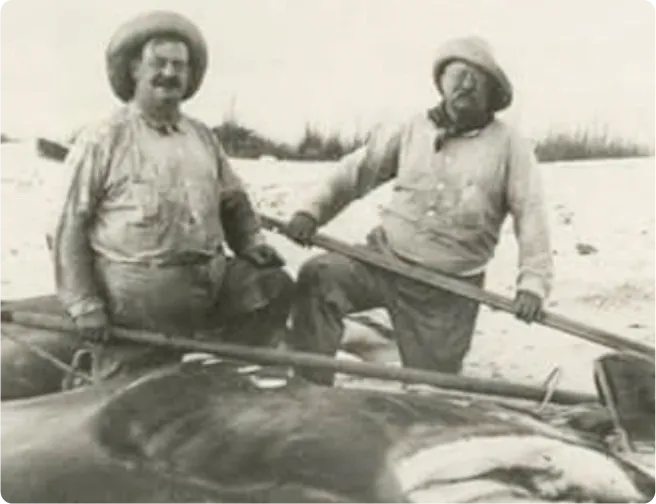
In the spring of 1917 former President Theodore Roosevelt was 58 years old and near the end of his life when he spent a week on Captiva Island hunting the legendary "Devil Fish."

LATEST NEWS
Keep up with the latest CIHS news, featuring our people, programs, projects, and the organization’s work to preserve and share Captiva’s history.
Support
Help us deliver our mission of gathering, preserving, interpreting and sharing the history of Captiva Island. We hope you will consider a gift to the CIHS.